




In a world overwhelmed by digital distractions, can tending to a garden together unlock deeper human bonds and foster healing? This compelling exploration reveals how shared outdoor activities go beyond cultivating plants—they cultivate trust, patience, and genuine connection. Gardening offers a mindful refuge from screens, encouraging cooperation, open communication, and emotional intimacy through tactile, sensory-rich experiences. As plants grow and relationships flourish in tandem, the act of nurturing becomes a powerful metaphor for emotional resilience and ongoing care. The narrative contrasts the superficiality of digital interactions with the profound satisfaction of working side-by-side in nature, emphasizing that patience and persistence in the garden mirror emotional growth. Whether in a small backyard or balcony, starting a shared garden becomes a simple yet transformative way to strengthen bonds, deepen trust, and foster mutual support. Could harvesting love and understanding in the soil be the antidote to modern disconnection?
Reconnecting Through the Roots: How Gardening Cultivates Human Bonds
In today’s fast-paced digital world, genuine human connection can sometimes feel harder to find. We’re often glued to screens—scrolling through social media, replying to messages, or binge-watching shows in solitude. Despite the seeming convenience of these interactions, they rarely offer the depth and warmth of face-to-face bonds. This disconnect leaves many of us longing for something more authentic, something that can truly ground us.
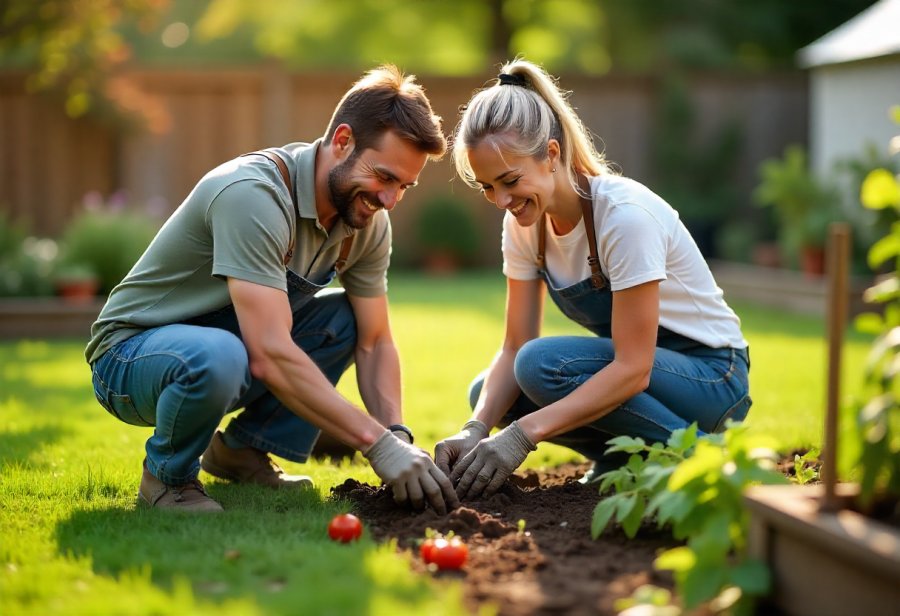
Gardening offers a simple yet powerful antidote to this digital fatigue. When we dig into the soil alongside others, we’re not just planting seeds—we’re cultivating trust, patience, and shared purpose. The act of tending a garden naturally encourages cooperation and open communication, creating moments of connection that feel real and meaningful. As plants grow and flourish through collective effort, so do the relationships involved, turning gardening into a ritual of healing and bonding.
Stepping outside into a garden shifts our focus from digital distractions to tangible life. The sensory experience—feeling soil, smelling flowers, watching leaves unfurl—provides a calming presence that helps us reconnect with the here and now. This mindfulness not only reduces stress but also opens space for genuine conversations and quiet companionship. Working together in nature creates a peaceful environment where authentic human interactions can blossom.
Beyond the physical activity, gardening symbolizes growth—both literal and emotional. Watching a seed sprout or a flower bloom reminds us that patience and care are key to nurturing anything worthwhile. These shared moments of progress foster a sense of pride and accomplishment, reinforcing the idea that strong bonds, like healthy plants, require ongoing attention and gentle nurturing. Gardening becomes a metaphor for the slow, steady process of emotional healing.
In a world dominated by screens and instant gratification, tending a garden together reminds us of the value of patience and persistence. It teaches us that meaningful relationships develop over time and through consistent effort. As we nurture life in the soil, we also nurture trust, empathy, and resilience within ourselves and each other—qualities that help us weather life’s challenges.
Gardening isn’t just about cultivating plants; it’s about cultivating human connection. In sharing this activity, we create spaces for honest conversation, mutual support, and quiet reflection. These moments help break down barriers built by digital distractions, allowing relationships to deepen naturally and authentically.
Ultimately, tending to a garden together offers more than a pretty space—it provides a pathway back to ourselves and each other. It’s a gentle reminder that real bonds grow strongest when nurtured with patience, care, and presence. In a world often overwhelmed by superficial interactions, a shared garden becomes a sanctuary for healing, understanding, and lasting connection.
Healing Hands: The Therapeutic Power of Gardening
Gardening has long been recognized for its remarkable ability to support mental health, offering a natural way to ease stress and uplift spirits. When your hands are in the soil, the rhythmic motions of digging, planting, and watering create a calming flow that helps quiet a restless mind. Focusing on textures, scents, and the act of caring redirects attention away from worries, anchoring you firmly in the present moment. This mindfulness reduces cortisol levels and leaves you feeling more centered and relaxed long after you step away from the garden.
Being outdoors amplifies these benefits. Natural settings have a soothing effect that clears mental clutter and fosters a sense of peace. Caring for plants connects us to nature’s cycles of growth and renewal, instilling a sense of purpose and accomplishment. Watching tiny seedlings emerge or vibrant flowers bloom provides small but meaningful wins that boost mood and reinforce feelings of self-efficacy. These moments of progress, no matter how small, serve as gentle reminders of the positive impact of nurturing life.
Sharing gardening with others deepens its emotional healing power. Working side by side, whether planting, watering, or weeding, encourages connection through shared effort and mutual support. The tactile experience of handling soil and feeling plants thrive grounds us, offering immediate relief from anxiety and fostering calm. These sensory-rich moments help dissolve feelings of overwhelm, creating a space where genuine conversation and quiet companionship can flourish.
Research consistently shows that nature has a profound ability to heal. Exposure to green spaces lowers stress hormones and elevates feelings of happiness. Routine tasks like watering or pruning cultivate a sense of control and stability, counteracting feelings of helplessness. Watching your garden grow nurtures patience and resilience—traits that strengthen emotional endurance and help you navigate life’s challenges with a calmer outlook.
Furthermore, gardening acts as a gentle form of outdoor therapy. It teaches patience and persistence, encouraging us to accept delays and celebrate slow progress. These qualities mirror emotional healing, reminding us that growth takes time and consistent care. The act of tending to living things fosters self-compassion and hope, reinforcing the idea that healing is a gradual process rooted in gentle effort.
Beyond physical activity, gardening nourishes the mind by providing a peaceful escape from daily stressors. It creates a sanctuary for reflection, mindfulness, and emotional recharge, whether done alone or together. The act of caring for plants becomes a metaphor for self-care, emphasizing that nurturing oneself is as vital as nurturing a garden. In these quiet moments, we reinforce a sense of balance and inner peace that can carry us through life’s uncertainties.
Growing Together: Building Stronger Relationships in the Garden
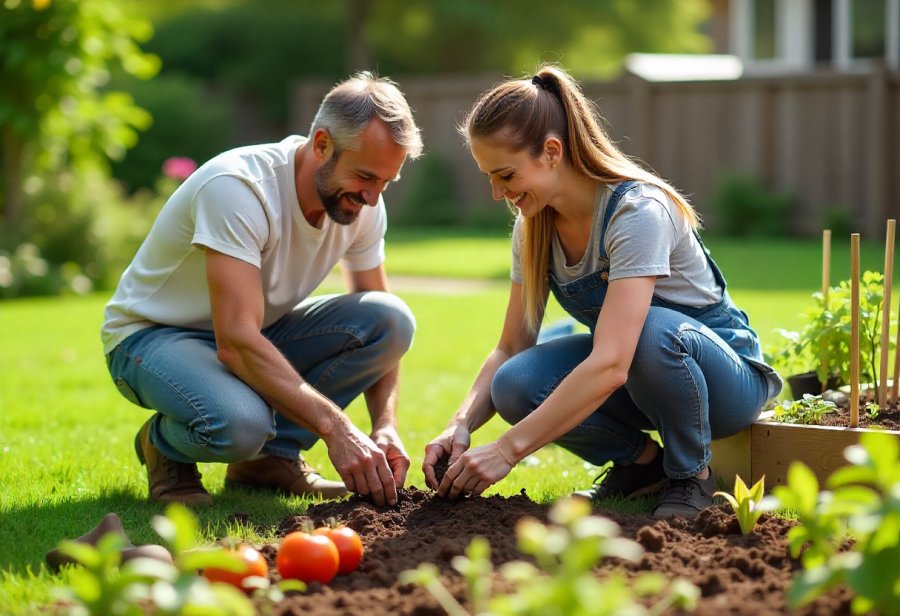
Sharing gardening activities naturally creates opportunities for building stronger relationships. When two or more people work side by side—planting, watering, or weeding—they rely on each other’s support and cooperation. These shared tasks require patience, clear communication, and teamwork, which foster mutual trust and understanding. As the plants grow through collective effort, so do the bonds between those involved, transforming gardening from a simple chore into a shared journey.
Working together in the soil encourages open dialogue, whether through quiet observation or casual conversation. These moments often lead to deeper exchanges that might not happen in everyday life. Watching a seed turn into a sprout or a flower bloom gives everyone a sense of pride and accomplishment, reinforcing the idea that cooperation and effort lead to shared success. These small victories become tangible proof of what can be achieved when people work together, strengthening emotional ties.
Gardening also teaches patience, a key ingredient for healthy relationships. Waiting for seeds to sprout or flowers to bloom reminds us that growth takes time and persistence. Sharing this process helps partners or friends develop a greater appreciation for each other’s contributions and resilience. It’s a subtle but powerful way of reinforcing that nurturing a relationship requires ongoing care and effort.
The shared responsibility involved in tending a garden further deepens this connection. When everyone has a role—whether planting, watering, or harvesting—it creates a sense of mutual dependence and trust. Each person’s actions directly influence the success of the whole project, making everyone feel invested. Over time, these collaborative efforts turn the garden into a living symbol of collective support and shared commitment.
Beyond the practical aspects, gardens offer quiet spaces for reflection and connection. Sitting together in the natural surroundings, observing progress or simply enjoying the moment, encourages calm conversations and shared silence. These peaceful interactions strengthen emotional intimacy without the need for words, allowing bonds to deepen naturally.
Stories often emerge from these shared experiences—memories of planting a first seed, overcoming challenges, or celebrating a bountiful harvest. These stories become part of the relationship’s fabric, reinforcing bonds through shared history and meaning. The garden becomes more than a space for plants; it becomes a living symbol of trust, patience, and mutual care.
Working in the soil together nurtures more than just plants—it nurtures human connection. It’s a slow, gentle process that builds trust, encourages open communication, and fosters empathy. These moments of joint effort create a foundation for deeper, lasting bonds that can grow far beyond the garden itself.
Breaking Digital Barriers: Overcoming Distraction to Foster True Connection
In today’s world, screens are everywhere—smartphones, tablets, laptops—constantly pulling our attention away from the people right in front of us. It’s easy to get caught up in a never-ending stream of notifications, social media updates, and emails, which can make genuine connection feel like a distant dream. Instead of engaging in meaningful conversations, many of us find ourselves mindlessly scrolling, losing hours in a digital fog that diminishes our ability to truly listen and empathize.
This digital distraction creates a barrier to building trust and emotional intimacy. When our attention is divided, even simple interactions can feel superficial. We might exchange quick messages or likes, but these snippets rarely foster the vulnerability needed for real connection. Over time, this shallow engagement can lead to feelings of loneliness or disconnection, even among people who share the same space. It’s as if a virtual wall is built between us, preventing us from fully seeing or understanding each other.
Social media and instant messaging have also shifted the way we communicate, often encouraging brevity over depth. Quick replies and emojis replace heartfelt conversations, and the art of listening deeply gets lost in the digital shuffle. As a result, misunderstandings increase, and emotional nuances are often missed. Instead of fostering empathy, these platforms can create a false sense of closeness that masks underlying feelings of isolation or frustration.
The constant presence of digital devices affects our patience as well. Waiting for a reply or response breeds impatience and frustration, making us less willing to invest time in face-to-face interactions. This impatience can spill over into offline relationships, where meaningful, slow-building connections require attention, time, and genuine engagement. Without discipline to disconnect regularly, we risk losing the ability to nurture relationships rooted in presence and authentic care.
Gardening offers a stark contrast to this digital chaos. When working side by side in the soil, screens fade away. The focus shifts from virtual notifications to tangible, shared experiences. Unplugging and engaging with nature creates a space for presence, patience, and genuine conversation—elements that digital interactions rarely provide. In these moments of tending to life together, we can begin to break down the barriers built by technology and rediscover the deep human connection we all crave.
Plant the Seeds of Love: Embrace Gardening as a Path to Lasting Relationships
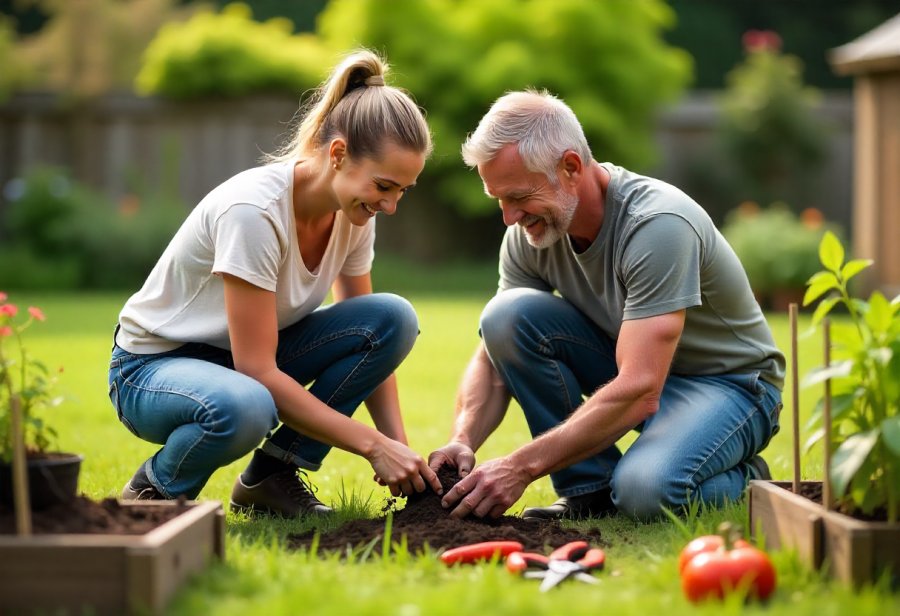
Planting a garden together isn’t just about growing flowers or vegetables; it’s about cultivating trust, patience, and genuine connection. Working side by side in the soil creates opportunities for shared effort, meaningful conversations, and mutual support. These moments of collaboration deepen emotional bonds, turning gardening into a space that nurtures relationships as much as it cultivates plants.
When people tend to a garden together, they learn to communicate more openly and develop patience as they wait for their efforts to bear fruit. These shared experiences teach resilience and cooperation, qualities that strengthen bonds and foster understanding. Watching a seed sprout or a flower bloom becomes a symbol of the trust and teamwork built through consistent care and effort.
Getting started is simpler than it seems. Even a small balcony or backyard patch can become a shared haven. Choose easy-to-grow plants like herbs or colorful flowers that offer quick results and keep everyone engaged. Make gardening a regular activity—perhaps on weekends—to build anticipation and foster a sense of routine. This consistent effort turns caring for the garden into a meaningful ritual, reinforcing the connection over time.
Gardening leaves a lasting legacy of support and companionship. The memories created—planting, nurturing, harvesting—become stories that strengthen bonds across generations. These shared moments serve as gentle reminders that relationships, like gardens, need ongoing attention, patience, and love to thrive.
In a world filled with distractions, starting a garden together offers a mindful way to reconnect. It encourages slowing down, being present, and investing time in something tangible and beautiful. The act of nurturing life together becomes a powerful symbol of patience, persistence, and human care—reminding us that meaningful bonds grow strongest when tended with gentle consistency.
Encouraging others to embrace this simple act can open new pathways for emotional support and understanding. Whether in a small container or a larger yard, the act of gardening together transforms relationships, fostering a sense of fulfillment and shared purpose that’s hard to find elsewhere.
So why not take that first step today? Grab some seeds, find a cozy spot, and invite someone you care about to join you. Watch how tending to the soil can turn into tending to each other, planting seeds of trust and love that grow deeper with each passing season. The garden becomes more than just a space—it becomes a living testament to the healing power of patience, care, and human connection.