


Imagine transforming your Toronto yard into a stunning outdoor retreat that seamlessly balances beauty with environmental responsibility. How can homeowners craft spaces that are not only visually captivating but also sustainable and easy to maintain? This guide explores how thoughtful landscape design, centered on native plants, eco-friendly materials, and water conservation techniques, can turn ordinary yards into vibrant ecosystems. Real-world examples demonstrate how innovative features like rain gardens, permeable pavers, and native pollinator gardens create resilient, eco-conscious outdoor spaces. From meticulous site analysis to strategic installation and ongoing care, the focus is on blending aesthetic appeal with ecological health. With emerging smart technologies and sustainable materials shaping the future, the question is no longer if, but how we can all create outdoor sanctuaries that are as responsible as they are beautiful. Isn’t it time to reimagine what your yard can become?
Transform Your Toronto Yard into a Sustainable Outdoor Sanctuary
Transforming a Toronto yard into a beautiful, sustainable outdoor retreat is about more than just planting a few flowers or laying pavers. It’s about creating a space that balances visual appeal with environmental responsibility, tailored to the unique character of each homeowner’s property. In a city as diverse as Toronto, designing an outdoor space involves considering local climate, neighborhood vibe, and how the space will be used day to day. The goal is to craft a retreat that feels natural, welcoming, and easy to care for, all while supporting the environment.
Good landscape design starts with a clear vision. It involves selecting elements like native plants, hardscaping, and water features that work together seamlessly. Native plants are especially important here—they thrive naturally in Toronto’s climate, requiring less water, fertilizers, and chemicals. When paired with eco-friendly materials and water-saving systems, these choices help develop a yard that’s both stunning and resilient over time.
Designing with sustainability in mind doesn’t mean sacrificing style. It opens up opportunities for creative solutions like rain gardens to manage runoff or wildflower meadows that attract pollinators. These features add visual interest and ecological value, turning ordinary yards into vibrant ecosystems. The challenge is to integrate these sustainable elements in a way that feels effortless and personal, creating a space that genuinely reflects the homeowner’s lifestyle and values.
Understanding client needs is essential. Some homeowners dream of lush, colorful gardens, while others prefer sleek, minimalist patios that require minimal upkeep. Listening closely and translating these preferences into eco-conscious designs ensures the final result is both beautiful and functional. It’s about making each project a reflection of the homeowner’s vision while respecting the environment.
The transformation process begins with thorough site analysis. Every property has its quirks—soil type, sunlight exposure, drainage issues—that influence design choices. Paying attention to these details from the start ensures the plan is practical and achievable, setting a solid foundation for a successful outdoor space. This careful planning streamlines installation and helps guarantee a lasting, functional retreat.
As we move from planning to implementation, selecting eco-friendly materials and techniques becomes crucial. Recycled stone, sustainably sourced wood, and permeable pavers support the project’s sustainability goals. Proper installation of plants, water features, and hardscaping ensures the space functions well and remains easy to maintain. Thoughtful execution is key to creating a yard that’s both beautiful and environmentally responsible.
Water management plays a vital role throughout the process. Installing rain barrels, drip irrigation, and rain gardens helps conserve resources and protect the environment. These features allow rainwater to soak into the ground naturally, reducing runoff and supporting healthy drainage. Incorporating them into the design benefits both the landscape’s resilience and the local ecosystem, making the yard more durable against weather extremes.
Transforming a Toronto yard into a sustainable outdoor retreat is a balancing act. It’s about blending thoughtful design, eco-friendly choices, and understanding client needs into a space that’s inviting, functional, and environmentally responsible. Done right, these yards become personal sanctuaries that support local ecosystems, withstand weather challenges, and bring joy to everyday life. It’s about turning ordinary outdoor areas into inspiring retreats that are as sustainable as they are beautiful.
Core Principles for Eco-Friendly Landscape Design
Creating an environmentally conscious outdoor space begins with understanding some core principles of sustainable landscape design. Instead of fighting nature, this approach works with it, making choices that support the local ecosystem and reduce long-term maintenance. Native plants are central to this strategy—they’re naturally adapted to Toronto’s climate, thriving without excessive watering, fertilizers, or chemicals. Incorporating these resilient species not only enhances the landscape’s beauty but also promotes biodiversity and ecosystem health.
Water efficiency is another key aspect. Smart irrigation systems, rain barrels, and drought-tolerant plants help conserve water while keeping the yard lush. These practices lower water bills and lessen runoff problems, which can cause erosion or pollution. Using eco-friendly materials like permeable pavers or recycled wood minimizes chemical runoff and waste, further supporting a healthy environment. Such choices align with the goal of creating a landscape that’s both functional and environmentally responsible.
Soil health forms the foundation of a sustainable landscape. Healthy soil supports strong plant growth and reduces reliance on chemical fertilizers. Techniques like composting and aeration naturally improve soil quality, encouraging beneficial insects and microorganisms. Promoting soil biodiversity creates a resilient landscape capable of withstanding changing weather patterns and pests, reducing the need for chemical interventions and ongoing maintenance.
Designing with these principles in mind also involves effective zoning. Clear zones for relaxing, dining, or gardening organize the space and make upkeep easier. Durable, low-maintenance materials and native plants ensure the yard remains attractive over time without demanding constant effort. This thoughtful balance between beauty and practicality makes the outdoor retreat both enjoyable and sustainable, aligning form with function seamlessly.
Eco-conscious choices during installation—such as using recycled stone, sustainably sourced wood, and permeable surfaces—help keep the project aligned with sustainability goals from the outset. Proper placement of plants and hardscaping reduces future repairs and waste, ensuring the landscape remains resilient and easy to care for. Regular care routines focused on native plants, organic fertilizers, and seasonal adjustments help preserve ecological benefits and maintain the landscape’s health long-term.
Real-World Success Stories in Toronto’s Backyard Transformations
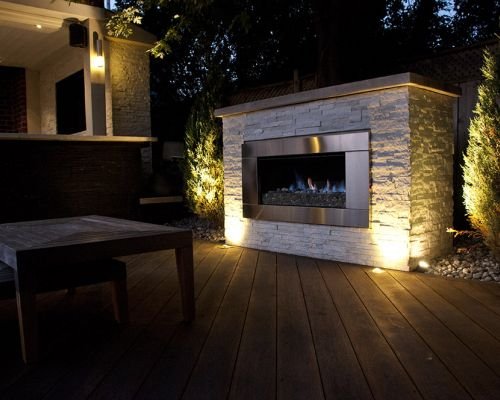
Real-world Toronto backyard transformations showcase how thoughtful design paired with eco-friendly practices can turn ordinary outdoor spaces into stunning retreats. One project involved reclaiming an overgrown yard, transforming it into a lush native plant sanctuary. By incorporating a rain garden to manage runoff and permeable pavers to reduce water impact, the homeowners achieved a low-maintenance, eco-conscious garden that attracts pollinators and wildlife alike. These features not only enhance visual appeal but also demonstrate how sustainability can elevate the beauty of a yard.
Another example focused on a modern backyard makeover emphasizing recycled materials and native plants. Reclaimed stone was used for pathways, while drought-tolerant native species thrived with minimal watering and fertilizers. A small water feature made from sustainable materials added a calming focal point, integrating sleek design with eco-awareness. The result is a stylish, easy-to-maintain space that aligns with sustainable principles, proving that beauty and responsibility go hand in hand.
Even limited or challenging spaces can become inviting retreats. A shaded yard was transformed into an oasis with vertical gardens and permeable paving. Native plants suited to Toronto’s climate created a vibrant, resilient landscape that attracts pollinators and conserves water with rain barrels. Natural drainage solutions and low-maintenance plantings turned a difficult site into a thriving sanctuary. These creative adaptations highlight that sustainability isn’t just for large yards—every outdoor space can be reshaped into a vibrant, eco-friendly retreat.
Design styles vary, but the commitment to sustainability remains consistent. Homeowners seeking lush, colorful gardens or minimalist patios can both succeed by integrating native plants and eco-friendly materials. Carefully chosen features like solar-powered lighting, native wildflower meadows, and recycled furnishings enhance the outdoor experience without harming the environment. These projects show that personal taste and ecological responsibility can coexist beautifully, creating spaces that reflect individual style and broader values.
Across Toronto, innovative features are elevating outdoor retreats. Native pollinator gardens combined with solar lighting and recycled furniture create inviting, low-impact spaces that support local ecosystems. These examples underscore that sustainable landscaping is accessible and adaptable. By blending strategic plant choices, eco-friendly materials, and creative features, homeowners can craft outdoor sanctuaries that are both visually striking and environmentally sound, inspiring others to follow suit.
Practical Steps to Bring Sustainable Outdoor Plans to Life
Bringing a sustainable landscape plan to life starts with precise, practical steps that turn design ideas into reality. It all begins with a comprehensive site analysis—understanding soil conditions, sunlight exposure, drainage patterns, and existing vegetation. This insight guides every decision, helping avoid costly mistakes and ensuring the project fits the specific characteristics of the property. A thorough assessment sets a strong foundation, making the subsequent installation smoother and more efficient.
Once the site’s nuances are clear, selecting native and drought-tolerant plants is essential. These species are naturally adapted to Toronto’s climate, requiring less water, fewer fertilizers, and minimal maintenance. Their resilience not only supports a healthy, vibrant landscape but also reduces environmental impact over time. Pairing these plants with eco-friendly materials—such as recycled stone, sustainably sourced wood, and permeable pavers—during installation reinforces the project’s sustainability goals from the outset.
Designing with purpose involves thoughtful planning of layout and flow. Strategic placement of pathways, seating areas, and planting beds enhances both aesthetics and functionality. Using permeable surfaces for walkways allows rainwater to seep into the ground naturally, reducing runoff and supporting drainage. Clear zoning not only organizes the space but also simplifies ongoing maintenance, making the yard easier to care for without compromising its visual appeal.
During installation, attention to detail is paramount. Eco-conscious materials and techniques, like recycled stones and sustainably sourced timber, should be prioritized. Proper placement of plants, water features, and hardscaping ensures they work in harmony, minimizing future repairs and waste. Maintaining open communication with homeowners ensures the finished result aligns with their vision and ecological commitments, making adjustments along the way as needed.
Water management features play a supporting role throughout. Installing rain barrels, drip irrigation, and smart sprinklers conserves resources while keeping plants healthy. Designing rain gardens and natural drainage solutions helps absorb excess water, preventing erosion and reducing runoff pollution. These features bolster the landscape’s resilience, helping it withstand heavy rains or drought conditions and reducing ongoing upkeep.
Consistent care routines are vital to maintaining a sustainable landscape. Regular mulching, pruning, and seasonal adjustments support native plants’ health and promote soil vitality. Using organic fertilizers and avoiding chemicals protects pollinators and wildlife, preserving the ecological benefits of the design. Routine inspections and minor repairs ensure the landscape remains functional and beautiful, year after year.
Educating homeowners about eco-friendly practices empowers them to care for their yard responsibly. Simple guidelines on watering, seasonal pruning, and sustainable maintenance extend the lifespan of the landscape. This partnership between designer and homeowner ensures that the outdoor retreat continues to flourish, supporting both environmental health and personal satisfaction without demanding excessive effort.
By embracing these practical steps, Toronto homeowners can transform their yards into resilient, eco-friendly retreats. Every decision—from site analysis to ongoing maintenance—reinforces a commitment to sustainability while creating a space that’s inviting and easy to enjoy. With careful planning and mindful execution, a beautiful, functional outdoor space becomes a lasting legacy—proof that sustainability and beauty can truly coexist.
Looking Ahead: Trends and Future Directions in Sustainable Landscaping
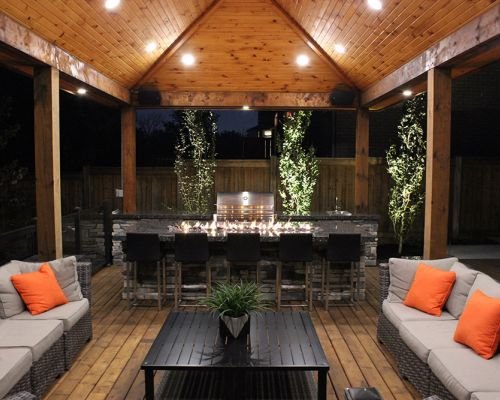
As sustainable outdoor space design continues to evolve, new trends are making it easier and more practical for Toronto homeowners to create beautiful, eco-friendly yards. Advances in technology, such as smart irrigation systems that adapt to weather conditions, are helping to conserve water and reduce waste effortlessly. Meanwhile, solar-powered lighting has become more affordable and stylish, extending outdoor usability into the evening without increasing energy consumption. These innovations are making sustainable landscaping more accessible and appealing.
Support for local ecosystems is gaining momentum as well. Native plants and pollinator-friendly gardens not only add visual richness but also help restore biodiversity and provide vital habitats for bees, butterflies, and birds. This approach aligns aesthetic appeal with ecological health, creating outdoor retreats that are resilient and beneficial over the long term. Homeowners are increasingly recognizing that beauty and responsibility go hand in hand, encouraging a shift toward more eco-conscious choices.
Designers are exploring flexible, modular layouts that adapt to changing needs and climate conditions. These adaptable spaces can host different activities or be easily upgraded with new sustainable features, making outdoor retreats more dynamic and future-proof. This mindset encourages homeowners to see their yards as living environments that evolve, rather than static landscapes, fostering ongoing engagement and innovation.
Resilience is becoming a core priority, especially as climate change introduces more extreme weather patterns. Landscapes built with drought-tolerant native plants, permeable surfaces, and integrated water management features like rain gardens are better equipped to withstand heavy rains and droughts. These elements not only protect the environment but also reduce ongoing maintenance and resource costs, making sustainable landscaping more feasible for busy homeowners.
The shift toward environmentally responsible materials continues to grow. Recycled and sustainably sourced products—such as composite decking, permeable pavers, and eco-friendly furnishings—are now widely available. Choosing these options reduces waste, minimizes chemical runoff, and aligns outdoor spaces with broader environmental values. As accessibility increases, more homeowners can confidently incorporate sustainable materials into their yard transformations.
Digital tools and data-driven design are also shaping the future. Sensors that monitor soil health, weather conditions, and water usage enable precise resource management, making maintenance more efficient and less guesswork-heavy. As these technologies become more user-friendly and affordable, they empower homeowners to nurture thriving, sustainable landscapes with minimal effort, turning ecological responsibility into a seamless part of outdoor living.
This integration of innovation, ecological awareness, and personal expression reflects a broader understanding that outdoor spaces are part of a larger ecosystem. The focus is shifting from purely aesthetic pursuits to creating spaces that support environmental health, community well-being, and resilience. These developments promise a future where outdoor retreats in Toronto are not only beautiful and functional but also vital contributors to a healthier planet.
By embracing these trends, homeowners can enjoy lush, functional landscapes that withstand environmental challenges while enriching their daily lives. The balance lies in combining technology, responsible material choices, and native plantings to craft outdoor spaces that are both inspiring and sustainable. This approach ensures that beauty, practicality, and ecological integrity coexist, setting a new standard for outdoor retreats in Toronto and beyond.