




Step into the roaring world of 1970s American muscle cars with the Chevrolet SS—a symbol of raw power, rebellious spirit, and bold design. From its thunderous big-block V8 to its iconic bubble of racing stripes and muscular silhouette, this car embodies an era where performance and attitude defined a generation. Its legacy is woven with stories of speed on open roads, distinctive aesthetics, and engineering mastery that still captivate enthusiasts today. But what makes the Chevrolet SS so enduring? Is it just nostalgia, or does its timeless blend of innovative design and unyielding power continue to inspire modern restorations, collector interests, and even future innovations? As communities rally around these legends, the question remains: can these vintage icons sustain their cultural significance in a rapidly evolving automotive landscape? The answer lies in their undeniable allure—a roaring reminder that American muscle still commands respect and admiration worldwide.
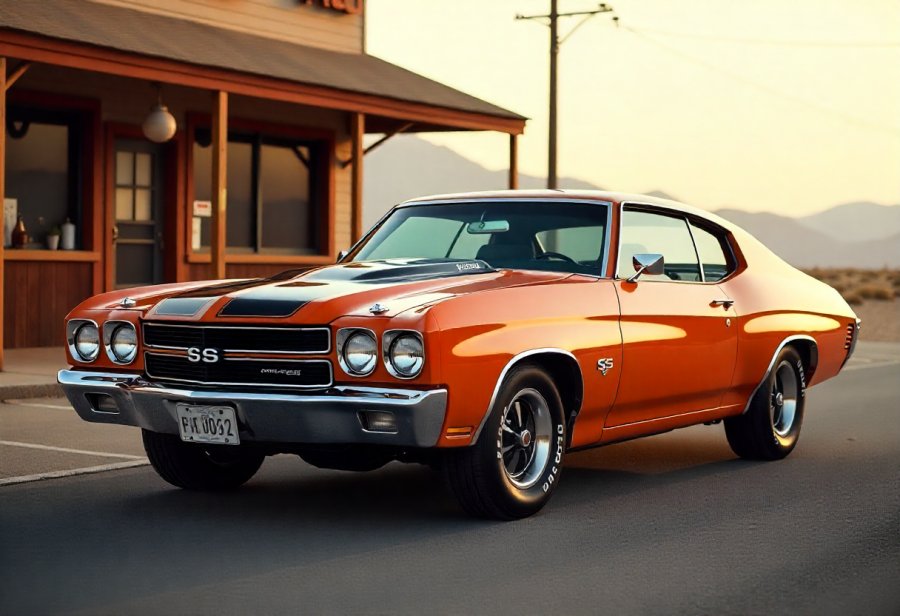
Relive the Bold Era of 1970s American Muscle with the Chevrolet SS
The 1970s marked a pivotal chapter in American automotive history, a time when muscle cars became more than just transportation—they transformed into symbols of freedom, rebellion, and style. Cars like the Chevrolet SS captured this spirit perfectly, blending raw power with bold design to create automotive icons that still resonate today. These vehicles weren’t merely built for speed; they were crafted to make a statement on every street corner, embodying an era where performance and attitude went hand in hand.
This decade was characterized by a surge in muscle car enthusiasm, driven by a desire for speed and individuality. Manufacturers responded with aggressive styling, wide stances, and powerful engines that turned heads and stirred emotions. The Chevrolet SS, in particular, stood out for its distinctive look and commanding presence, becoming a flagship of American muscle. It was more than a vehicle; it was a rolling testament to a culture that celebrated power and freedom.
At the heart of the 1970s muscle car movement was the engine. The Chevrolet SS was equipped with legendary big-block V8s, most famously the 454 cubic inch (7.4L) engine. With horsepower figures reaching as high as 450, these engines delivered a thunderous roar that became synonymous with the era’s rebellious spirit. The sound alone was enough to turn heads, signaling that this was a car built for speed and attitude.
Design-wise, the Chevrolet SS featured muscular proportions complemented by racing stripes, vibrant paint schemes, and signature features like the cowl-induction hood. These elements weren’t just for show—they symbolized performance and reinforced the car’s aggressive stance. Chrome accents and sleek lines emphasized its athletic silhouette, making it a visual powerhouse that demanded attention wherever it appeared.
Despite the rising challenges of fuel prices and stricter emissions regulations, manufacturers refused to tone down performance. Instead, they refined the design and engineering of these cars, preserving their legendary status. The Chevrolet SS exemplified this approach, embodying a rebellious, fearless attitude that continues to inspire collectors and enthusiasts alike. Today, these cars serve as tangible links to an era when American muscle cars ruled the roads with unmatched swagger.
The legacy of the 1970s Chevrolet SS extends beyond its technical specs. It represents a cultural moment when innovation, style, and performance converged to define a generation. These vehicles are more than vintage collectibles; they are symbols of American ingenuity and the enduring spirit of rebellion. As modern restorations and shows keep the story alive, the roar of the Chevrolet SS continues to echo through automotive history, reminding us of a time when horsepower reigned supreme.
Uncover the Iconic Design and Vibrant Style of Vintage Muscle Cars
The vintage muscle car style of the 1970s Chevrolet SS is instantly recognizable and packed with bold, iconic details. Its exterior design commands attention with a wide, low stance that exudes aggression and stability, making it impossible to ignore on the road. Sleek, flowing lines emphasize speed and motion, even when the car is parked, projecting an image of power and confidence from every angle. Bright racing stripes—often contrasting sharply with vibrant paint colors like Hugger Orange, Rally Green, or Garnet Red—transform each vehicle into a moving piece of art that demands admiration wherever it appears.
A defining feature of this era’s muscle cars is the cowl-induction hood, which bulges aggressively to hint at the monstrous engine beneath. Not only does it improve airflow, but it also adds to the car’s muscular silhouette, making it look as if it’s ready to unleash raw power at a moment’s notice. Chrome accents on bumpers, mirrors, and trim pieces lend a touch of classic elegance, reflecting sunlight and reinforcing the car’s bold personality. Every detail, from the grille to the rear spoiler, is carefully crafted to enhance the overall aesthetic, creating a cohesive statement of performance and attitude.
The design language of these cars is a reflection of the rebellious spirit of the 1970s. Wide stances and muscular contours communicate strength and readiness, while the vibrant paint schemes and racing stripes evoke a sense of constant motion. These styling cues weren’t just for show—they were a way for owners to stand out, to make a statement of individuality and daring. The bold colors and signature features became symbols of American muscle’s golden age, capturing the imagination of enthusiasts then and now.
Elements like the cowl-induction hood not only signaled high performance but also became badges of honor among muscle car fans. The visual impact of racing stripes, combined with the muscular proportions and chrome details, turned each Chevrolet SS into a rolling declaration of speed and rebellion. Restoring these cars today means embracing these bold visual cues—recreating authentic paint schemes, stripes, and body lines that pay homage to their original style. This aesthetic continues to resonate because it encapsulates a time when cars weren’t just transportation—they were expressions of attitude.
These design choices have stood the test of time, inspiring collectors and enthusiasts alike. The vintage muscle car look isn’t just about nostalgia; it’s about celebrating a bold, innovative era of automotive design. Every detail, from the stance to the colorful paintwork, works together to evoke a sense of rebellion and raw power. Appreciating or restoring a Chevrolet SS means reconnecting with that fiery spirit, ensuring that the legacy of American muscle continues to roar into the future.
The visual appeal of these cars goes beyond their aggressive silhouettes. The choice of paint schemes—bright, eye-catching, and often custom—further emphasizes their personality. Stripes, decals, and badges serve as signatures of performance, each telling a story of speed and rebellion. Restoring these details with authenticity helps preserve the car’s original charm and cultural significance, turning each vehicle into a true piece of automotive art.
Every curve and line was designed with purpose, blending function and style seamlessly. The muscular fenders, the sleek roofline, and the aggressive front grille all contribute to an aesthetic that’s both timeless and commanding. These design elements not only made the cars visually striking but also enhanced aerodynamics and performance, proving that style and substance went hand in hand in the muscle car era.
Ultimately, the vintage muscle car style of the 1970s Chevrolet SS remains a powerful symbol of American automotive ingenuity. Its bold design, vivid colors, and signature features continue to inspire admiration and reverence. Restoring and appreciating these cars isn’t just about preserving a look—it’s about celebrating a spirit of rebellion, innovation, and unrelenting performance that defined an entire generation.
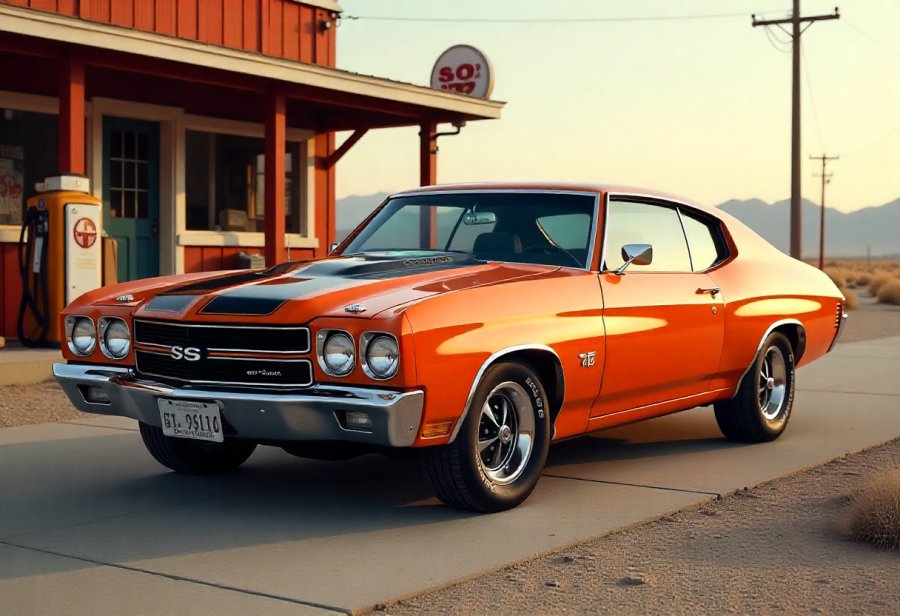
Experience the Raw Power and Engineering Excellence of the Chevrolet SS
The Chevrolet SS of the 1970s was built around engineering that paired brutal power with refined performance. At its core was the legendary big-block V8, most notably the 454 cubic inch (7.4L) engine, capable of producing up to 450 horsepower and 500 lb-ft of torque. This wasn’t just a number on paper; it translated into a thunderous roar and explosive acceleration that defined the muscle car experience. With a zero-to-60 time of around six seconds, the SS was a straight-line beast that commanded attention wherever it went.
Handling was equally impressive, thanks to suspension systems designed for balance between stability and agility. Its wide stance and low center of gravity helped it hug the road during high-speed maneuvers, giving drivers confidence in tight corners and straightaways alike. The drivetrain was reinforced to withstand the immense torque, with performance gear ratios and durable transmissions ensuring smooth power delivery. This engineering meant the car wasn’t just fast in a straight line but capable of spirited driving with control and precision.
Different variants within the lineup offered options tailored to various driving styles, but the SS 454 stood out as the ultimate muscle car icon. Even models like the Camaro SS and Nova SS shared this performance ethos, blending raw power with handling finesse. Many owners and restorers focus on chassis upgrades—improving suspension and braking systems—to enhance safety without sacrificing authenticity. The result is a vehicle that delivers visceral thrills while remaining reliable on both the strip and the street.
The signature of the Chevrolet SS was its ability to combine brute strength with distinctive styling cues. The thunderous exhaust note complemented its muscular silhouette, signaling power before the engine even roared. Every element, from the reinforced axles to the carefully tuned suspension, contributed to an engaging driving experience that felt connected and exhilarating. These cars were designed not just to impress visually but to deliver a visceral, emotional link to the road.
Restoration often involves maintaining authentic specifications while upgrading components for improved safety and performance. Engine tuning, suspension adjustments, and brake upgrades help preserve that legendary feel, ensuring each drive is as visceral as the original. Proper maintenance and thoughtful modifications allow enthusiasts to enjoy the muscle car’s power safely, keeping its rebellious spirit alive while adapting to modern standards.
Driving a Chevrolet SS is about more than just speed; it’s about feeling the raw, unfiltered connection between man and machine. The rumble of the big-block V8 through the chassis, the immediate response of acceleration, and the commanding presence on the road make every ride memorable. These vehicles represent a time when American muscle was about attitude as much as engineering—delivering pure, unadulterated power that continues to inspire today.
Engage Hands-On with the Rich Legacy of the Classic Muscle Car
Getting hands-on with the legacy of the Chevrolet SS is one of the most rewarding ways to truly appreciate what makes this muscle car an icon. Whether you’re restoring a vintage model or simply eager to understand its features better, starting with the basics helps forge a deeper connection. Learning to identify original parts like the distinctive cowl-induction hood or authentic badges offers a tangible link to the car’s rich history. Visiting car shows or joining local muscle car clubs provides opportunities to see well-preserved examples and pick up practical tips from experienced enthusiasts who have been through the process themselves.
Engaging with these communities—whether online forums or in-person gatherings—opens a treasure trove of knowledge. Enthusiasts love sharing their restoration stories, sourcing rare parts, and troubleshooting common issues. Asking questions about authentic components or best practices can save you time, money, and frustration, guiding you toward solutions rooted in experience. Seeing how others approach repairs and upgrades can inspire your own projects and deepen your understanding of the car’s engineering and design.
Restoration is as much about patience as it is about skill. Recognizing the importance of authentic or high-quality reproduction parts ensures your Chevrolet SS remains true to its original performance and aesthetic. Proper preservation techniques—like careful cleaning, rust-proofing, and engine tuning—not only maintain value but also preserve the visceral driving experience that makes these cars legendary. Taking pride in maintaining authenticity helps keep the spirit of the muscle car era alive and thriving.
Routine maintenance transforms into a hands-on act of preservation. Simple tasks such as changing fluids, inspecting brakes, or fine-tuning the engine become meaningful acts of respect for the vehicle’s craftsmanship. These small efforts improve reliability and make every drive more satisfying. Over time, performing these tasks builds confidence and a genuine connection to the mechanics behind the muscle car’s power, turning routine upkeep into a source of pride.
Restoring and caring for a Chevrolet SS demands attention to detail. Carefully inspecting the body and chassis for rust or damage is just the beginning. Focused work on the engine—whether rebuilding or tuning—ensures the car delivers that iconic roar. Upgrading suspension, brakes, and tires not only boosts safety but also enhances handling, allowing you to truly enjoy the full thrill of what this muscle car was built for. Each step fosters a deeper appreciation, linking you more intimately with the car’s rebellious spirit and engineering brilliance.
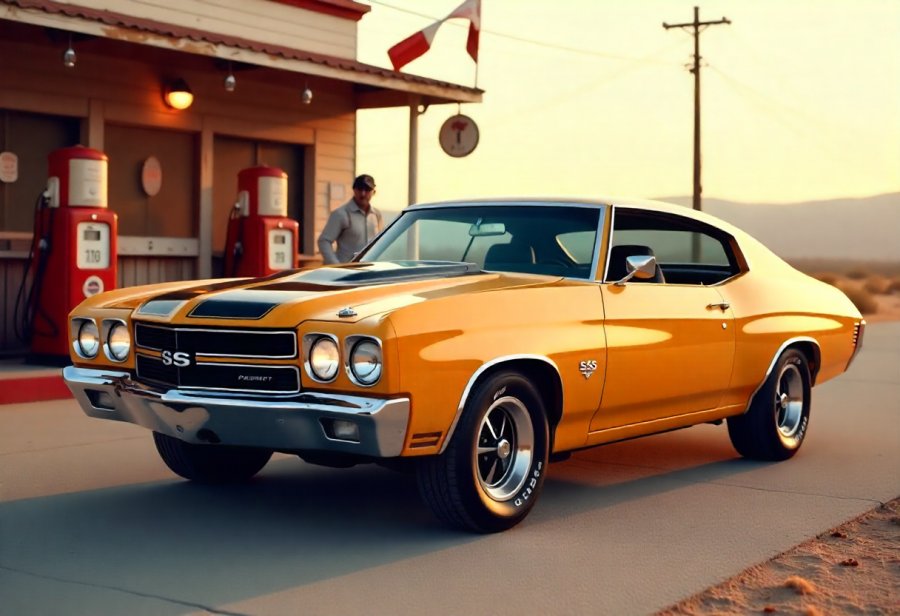
Reflect on the Enduring Legacy and Future of the Chevrolet SS in Automotive Culture
The legacy of the Chevrolet SS from the 1970s continues to resonate strongly with car enthusiasts and collectors alike. It stands as a symbol of American muscle car ingenuity, capturing a moment when performance, style, and rebellion fused into something truly iconic. These vehicles weren’t just about raw horsepower; they embodied a cultural spirit of freedom and individuality that defined an entire generation. Today, well-preserved and restored models command high prices at auctions and draw crowds at car shows, proof that the appeal of these cars remains as fierce as ever.
Looking ahead, the future of muscle car preservation is bright, driven by a passionate community dedicated to keeping these legends alive. Advances in restoration technology, such as 3D printing and modern materials, are making authentic parts more accessible and durable. This helps enthusiasts maintain their vehicles’ originality while ensuring they withstand the test of time. Many owners are blending vintage aesthetics with modern upgrades—like improved brakes and suspension—to boost safety and driving enjoyment without losing the car’s classic character.
The rise of online communities and social media networks has created a global fabric of muscle car fans sharing projects, tips, and stories. This interconnectedness fuels ongoing enthusiasm and inspires new generations to appreciate the cultural significance of the Chevrolet SS. Some innovative projects explore electric conversions, embracing greener technology while honoring the muscle car spirit. These efforts demonstrate that the core values of power, attitude, and innovation can evolve, ensuring the legacy adapts to a changing world.
As demand for vintage muscle cars continues to grow, their cultural value also increases. Restored models regularly fetch impressive prices at auctions, reflecting their enduring appeal. Car clubs, shows, and dedicated events serve as ongoing platforms for education and celebration, helping to pass the story of the Chevrolet SS to new enthusiasts. These gatherings foster a sense of community that keeps the rebellious, performance-driven spirit alive, inspiring future generations to cherish the legacy of American muscle.
The story of the Chevrolet SS is far from finished. Its bold design, legendary engines, and rebellious ethos continue to inspire new projects and innovations. With technology evolving and communities expanding, the legacy will deepen, blending the past’s passion with future possibilities. These cars are more than vintage relics—they are symbols of American ingenuity and spirit, destined to roar into the next chapter of automotive history. Preserving this heritage means keeping alive the fire of American muscle, fueling passion and performance for generations to come.