Imagine transforming your Toronto yard into a stunning outdoor sanctuary that seamlessly blends beauty, sustainability, and personal comfort. How can homeowners craft spaces that are not only visually captivating but also environmentally responsible? This guide explores the principles of successful landscape transformation, emphasizing balance, scale, and climate-aware design. It reveals practical strategies—such as native plantings, eco-friendly materials, and water-saving features—that support local ecosystems while reducing maintenance. From detailed site assessments to choosing durable, sustainable elements, every step is designed to turn dreams into enduring realities. The future of outdoor retreats in Toronto promises innovation—integrating smart technology, greener materials, and biodiversity supports—to create resilient, inspiring spaces that truly extend your home. Are you ready to reimagine your yard as a personalized retreat that nurtures both beauty and nature, standing resilient through seasons and time? This approach invites you to discover how thoughtful design can elevate your outdoor living experience.
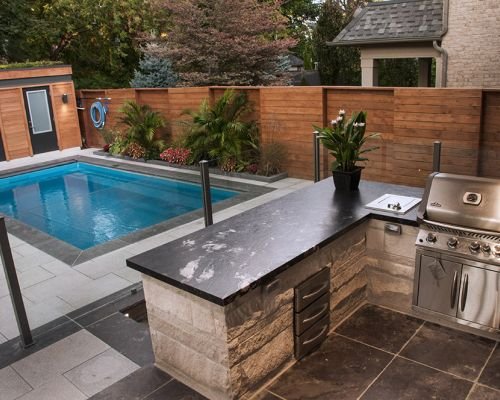
Transform Your Toronto Yard into a Personal Oasis of Comfort and Style
Transforming Toronto yards into inviting outdoor retreats has become more than just a trend; it’s a practical way for homeowners to expand their living space and create a personal oasis amid the city’s hustle. With limited outdoor options in an urban environment, a thoughtfully designed backyard offers a sanctuary for relaxation, socializing, and reconnecting with nature. It’s about turning an ordinary yard into a seamless extension of the home—where comfort and beauty work hand in hand.
As more residents seek to make the most of their outdoor areas, the focus shifts toward blending aesthetic appeal with environmental responsibility. Incorporating native plants, sustainable materials, and eco-friendly features not only elevates the visual charm but also supports Toronto’s local ecosystem. These mindful choices help create landscapes that are resilient, low-maintenance, and eco-conscious, making it easier for homeowners to enjoy their retreat year-round.
Designing such spaces requires an understanding of Toronto’s climate, marked by hot summers and cold winters. This knowledge guides the selection of plants, materials, and features capable of withstanding seasonal changes without sacrificing style. A successful outdoor retreat balances visual interest with practicality—layered textures, inviting seating, and strategic lighting that extends usability into the evening hours. It’s about crafting an environment that adapts to the city’s rhythm and the homeowner’s lifestyle.
Creating these retreats is a collaborative effort, blending creative vision with practical expertise. From initial planning and site assessment to selecting eco-friendly plants and durable materials, every step contributes to a cohesive, enduring result. When executed with care, these projects turn dreams into reality—spaces that are not only stunning but also built to stand the test of time and environmental shifts.
In Toronto’s evolving outdoor landscape, this shift toward personalized, sustainable retreats reflects a broader desire to reconnect with nature and improve quality of life. It’s about creating outdoor environments that inspire, relax, and serve as true extensions of the home. This approach transforms ordinary yards into lasting sanctuaries, offering beauty, functionality, and a sense of peace in the heart of the city.
Master the Foundations of a Stunning and Sustainable Landscape Transformation
Creating a successful landscape transformation begins with understanding the core principles that guide both design and execution. Balance is fundamental—distributing plants, furniture, and features thoughtfully to foster harmony and a natural flow throughout the yard. A well-balanced space avoids feeling cluttered or sparse, instead inviting exploration and relaxation. Focal points like a water feature or fire pit serve as visual anchors, giving the eye a resting place without overpowering the overall design.
Scale plays a crucial role as well. Features and plants should complement the size of the yard, ensuring the space feels inviting rather than cramped or empty. Layering textures and colors adds depth and vitality, making the landscape lively and engaging. Equally important is functionality; paths need to be easy to navigate, seating should be comfortable, and lighting must extend usability into the evening hours, creating a seamless transition from day to night.
Designing with Toronto’s climate in mind is essential for longevity and sustainability. Native plants that withstand hot summers and cold winters require less water, fewer chemicals, and minimal maintenance. Incorporating eco-friendly materials for pathways, patios, and outdoor furniture further reduces environmental impact. Techniques like rain gardens and permeable paving help manage stormwater runoff naturally, preventing erosion and water pooling while supporting the health of the landscape.
Listening closely to homeowners’ needs shapes a more meaningful outdoor space. Whether the goal is a cozy garden nook, an entertainment-ready patio, or a tranquil retreat, understanding their lifestyle ensures the design is both functional and personal. When these elements come together—balance, scale, climate considerations, and client input—the result is a landscape that is visually stunning and practically enduring.
Ultimately, successful landscape transformation hinges on thoughtful planning and cohesive execution. Every choice, from plant selection to feature placement, influences the final look and feel. When executed with care and attention to detail, these principles create outdoor spaces that not only look beautiful but also stand the test of time, seasonal shifts, and environmental challenges. It’s about crafting a retreat that truly reflects the homeowner’s vision while respecting the natural environment of Toronto.
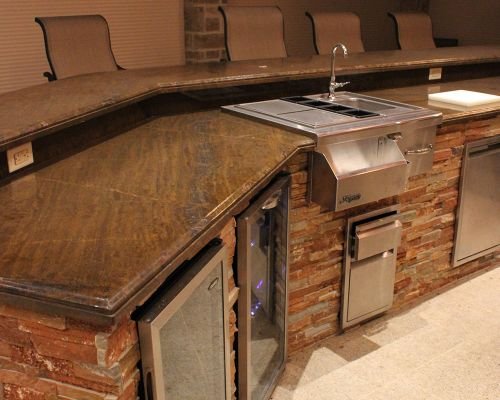
Practical Strategies to Harmonize Beauty with Environmental Responsibility
Creating landscapes that are both beautiful and environmentally responsible requires practical, thoughtful strategies. Native plants are a cornerstone of eco-friendly design; they’re naturally adapted to Toronto’s climate, which means they demand less water, fewer fertilizers, and minimal chemicals. This not only reduces maintenance costs but also supports local ecosystems by attracting pollinators and wildlife, making your yard more vibrant and resilient over time.
Using sustainable materials in hardscaping—such as recycled pavers, biodegradable edging, and locally sourced stone—further minimizes environmental impact. Permeable surfaces like gravel or permeable pavers allow rainwater to naturally seep into the ground, helping manage stormwater runoff and reduce erosion. These choices keep your landscape both functional and eco-conscious, blending durability with a commitment to environmental health.
Water conservation plays a vital role in sustainable landscaping. Installing rain gardens, drip irrigation systems, and moisture sensors ensures water is used efficiently, directing it exactly where it’s needed without waste. Rain gardens absorb excess runoff during storms, filtering pollutants and replenishing groundwater, which is especially valuable during Toronto’s hot summers. These features create a landscape that’s both beautiful and responsible, supporting the long-term health of your outdoor space.
Lighting and outdoor features can also be designed with sustainability in mind. Solar-powered LED lights illuminate pathways and focal points without increasing energy use. Eco-friendly fire pits or water features operate with minimal water and energy, or are replaced with alternatives that have a lower environmental footprint. These elements enhance the ambiance while aligning with eco-conscious principles, ensuring your retreat remains inviting and sustainable.
Layering textures and colors adds visual interest without sacrificing eco-friendliness. Native plants, combined with thoughtfully chosen natural materials, create a dynamic environment that’s as lively as it is sustainable. By supporting local biodiversity and reducing maintenance needs, these landscapes become resilient sanctuaries that thrive through Toronto’s seasonal shifts.
Involving clients in sustainable practices ensures their outdoor retreat reflects their values and lifestyle. Whether they prefer lush gardens, minimalist patios, or family-friendly yards, eco-friendly choices can enhance enjoyment and longevity. Prioritizing these strategies results in landscapes that are not only stunning but also capable of standing the test of time—beautiful, responsible, and deeply connected to the environment.
From Planning to Reality: Implementing Your Dream Outdoor Retreat
Turning landscape strategies into a successful outdoor retreat begins with a thorough site assessment. Walk your property carefully, taking note of soil conditions, sunlight exposure, drainage patterns, and any existing features or plants. This initial step provides a clear understanding of what works and what needs adjustment, ensuring your design choices will perform well in Toronto’s climate. With this knowledge, you can make informed decisions about plant selection, materials, and layout, setting a solid foundation for the project.
Next, develop a detailed plan that combines your client’s preferences with sustainability principles and innovative features. Using sketches or digital models helps visualize how everything will come together, allowing you to spot potential issues early. Clear, detailed plans streamline communication with contractors and suppliers, making the installation process smoother and more efficient. This preparation minimizes surprises and keeps the project on track from start to finish.
Choosing the right plants and materials is crucial for aligning the project with eco-friendly goals. Native plants suited to Toronto’s hot summers and cold winters require less water and chemicals, reducing maintenance and supporting local ecosystems. For hardscaping, opt for recycled, locally sourced, or biodegradable materials that blend seamlessly into the landscape. These choices create a resilient, low-maintenance space that can withstand seasonal shifts while minimizing environmental impact.
During installation, close coordination with contractors and suppliers ensures the design is executed accurately. Regular site visits allow you to monitor progress, address issues promptly, and maintain quality control. Staying involved throughout the process helps prevent delays, ensures the work aligns with your vision, and maintains standards. After installation, conduct a comprehensive review to confirm all features—lighting, water systems, drainage—operate as intended.
Finally, provide homeowners with guidance on ongoing maintenance, emphasizing native plant care, proper watering, pruning, and seasonal adjustments. Educating clients helps preserve the landscape’s beauty and sustainability over time, ensuring their outdoor retreat remains a vibrant, eco-conscious sanctuary. When each step is handled with care and precision, the result is a durable, stunning outdoor space that reflects the initial vision and stands ready to endure for years to come.
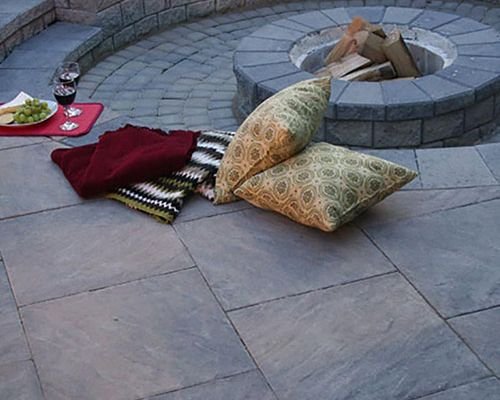
Looking Ahead: Trends and Innovations Shaping Toronto’s Outdoor Retreats
The future of outdoor retreat design in Toronto is poised to blend timeless principles with innovative advancements, making these spaces more sustainable, functional, and inspiring than ever before. As awareness of environmental impact grows, designers and homeowners alike are increasingly turning to native plants, eco-friendly materials, and water-saving features that support local ecosystems while enhancing visual appeal. This shift not only fosters healthier landscapes but also encourages a deeper connection to the natural environment within urban settings.
Technological progress is transforming how we plan and maintain outdoor spaces. Tools like 3D modeling, virtual reality, and smart irrigation systems enable more precise visualization and efficient resource management. These innovations make it easier to customize landscapes that reflect personal style while ensuring longevity and resilience. As these technologies become more accessible, even small-scale projects can benefit from high-tech solutions that promote sustainability and ease of maintenance.
Materials and design practices are also evolving, with a focus on recycled, biodegradable, and locally sourced options. These choices reduce the carbon footprint of hardscaping and outdoor furnishings, creating a stylish yet environmentally responsible aesthetic. Permeable paving, rain gardens, and naturalistic water features are gaining popularity, helping manage stormwater and support biodiversity—key components in building resilient landscapes that thrive through Toronto’s seasonal changes.
Furthermore, the integration of digital tools like 3D visualization and virtual walkthroughs allows homeowners and designers to collaborate more effectively. This level of detailed planning minimizes waste, prevents costly mistakes, and ensures every element—from plant placement to lighting—aligns with the homeowner’s vision. Such precision not only enhances the aesthetic quality but also boosts the functionality and sustainability of the finished landscape.
As ecological awareness continues to grow, landscapes are increasingly designed to serve as habitats for pollinators and local wildlife. Native plantings, pollinator gardens, and eco-conscious features foster biodiversity and support urban ecosystems. These practices deepen the environmental impact of outdoor retreats, turning them into vibrant sanctuaries that benefit both people and nature.
Looking ahead, outdoor retreat design in Toronto will remain a dynamic field, driven by a desire for beauty, resilience, and environmental responsibility. The combination of innovative technology, sustainable materials, and personalized design will enable more homeowners to create outdoor spaces that are not only visually stunning but also environmentally sound and long-lasting. These evolving trends promise outdoor retreats that inspire, relax, and endure, truly becoming an extension of the home and a reflection of our shared commitment to a greener future.