




Learning to drive symbolizes freedom and independence for teens, yet beneath this milestone lies a profound internal struggle. As teenagers navigate the road, they grapple with nerves, self-doubt, and the constant fear of making mistakes. These emotional hurdles often intensify in unfamiliar or stressful situations, fueled further by peer pressure and high expectations. While they master driving skills like parking or merging, their internal battles—worries about judgment, loss of control, and perfection—persist silently. This tension between the desire for independence and vulnerability creates a rollercoaster of emotions that can hinder confidence. Yet, recognizing these internal conflicts as part of growth transforms setbacks into lessons for resilience. Can supportive environments and empathetic guidance turn nervousness into confidence? Ultimately, the journey of learning to drive becomes a mirror for broader self-discovery, showing that overcoming internal struggles is just as vital as mastering the wheel—shaping teens into resilient, self-aware adults ready to face life’s many roads.

Navigating Emotions: The Journey of Teen Driving Confidence
Learning to drive is a milestone that many teens look forward to, but beneath the excitement lies a complex web of emotions. Sitting behind the wheel for the first time can trigger nerves, self-doubt, and even fear. The responsibility of controlling a vehicle, navigating traffic, and following rules feels overwhelming when you’re just starting out. These feelings aren’t signs of weakness—they’re a natural part of the learning process that everyone experiences. Recognizing this helps teens understand that confidence doesn’t happen overnight but is built gradually through practice and patience.
As teens begin to master basic skills like steering and braking, their internal struggles often become more evident. Anxiety can strike unexpectedly, especially in unfamiliar or busy environments. The fear of making mistakes—like stalling at a red light or drifting out of a lane—can shake their confidence and cause hesitation. Many teens worry about how others perceive their driving, whether it’s friends, family, or other drivers. These concerns add layers of pressure, making each driving experience more emotionally charged than it might appear from the outside.
This emotional rollercoaster is further complicated by peer influence. Teens want to impress their friends and prove they’re responsible behind the wheel, which can push them into challenging situations before they’re fully ready. The desire for approval often clashes with feelings of vulnerability, creating a delicate balance between independence and self-doubt. It’s common for teens to second-guess themselves or hesitate, especially when they’re still learning the basics. These moments of uncertainty are part of the process—and crucial for growth.
Setbacks are inevitable and can feel discouraging, but they’re also vital lessons in resilience. A missed turn or a nervous stall doesn’t define a teen’s ability or worth. Instead, these experiences highlight how tricky it is to balance the excitement of independence with inexperience. Recognizing that mistakes are normal helps normalize the emotional ups and downs, encouraging teens to persist rather than give up. Over time, each small victory—like smooth parking or confident merging—becomes a building block for their confidence.
Learning to drive isn’t just about physical skills; it’s about emotional growth. Teens develop trust in themselves, learn to manage stress, and build patience through their experiences behind the wheel. Supporting them with understanding and reassurance helps transform nerves into resilience. When teens see setbacks as part of the journey, they’re more likely to keep pushing forward, knowing that confidence is a gradual process shaped by persistence and support.
Inner Battles Unveiled: Anxiety, Doubt, and Peer Pressure in Teens
Teen drivers often find themselves caught in a tug-of-war that goes beyond simply steering a car. Anxiety sneaks in unexpectedly, turning routine drives into stressful moments. Worrying about making mistakes—like missing a turn or stalling—can quickly chip away at their confidence. That inner voice questioning their abilities can grow louder, especially when they’re still getting comfortable with the controls. The desire to prove themselves and earn peer approval adds another layer, sometimes pushing them into challenging situations before they’re truly ready.
These feelings are completely normal for teens learning to drive. They want to be seen as responsible and capable, but uncertainty often clouds their mind. The pressure from parents, friends, or even their own expectations can become overwhelming. When mistakes happen, even small ones, they may feel like failures, which only deepens their doubts. A missed turn or hesitation in a busy intersection might seem minor to others, but for a teen, it can feel like a blow to their self-esteem.
The internal struggles don’t end with errors. Many teens grapple with a fear of losing control, especially in unfamiliar or crowded environments. Merging onto a highway or navigating complicated intersections can trigger nervousness that’s hard to shake. They worry about handling unpredictable situations or how others perceive their driving. This mix of fear and self-doubt makes each drive more intimidating, often leading to hesitation or second-guessing behind the wheel.
Peer influence plays a significant role in these internal battles. Teens often want to impress their friends and demonstrate responsibility, yet they’re terrified of messing up and being judged. Sometimes, they push themselves into more difficult driving conditions to gain approval, even if they’re not fully prepared. This push-and-pull between wanting acceptance and feeling vulnerable creates a delicate balance—making each trip a test of confidence and resilience.
These internal battles are part of a broader journey of self-discovery. Mistakes and setbacks are inevitable, but they serve as vital lessons in patience and growth. Recognizing that nerves and doubts are natural helps normalize the emotional rollercoaster, encouraging teens to push forward. When supported with understanding, they start to see these struggles not as failures, but as stepping stones toward becoming confident and resilient drivers—and individuals.
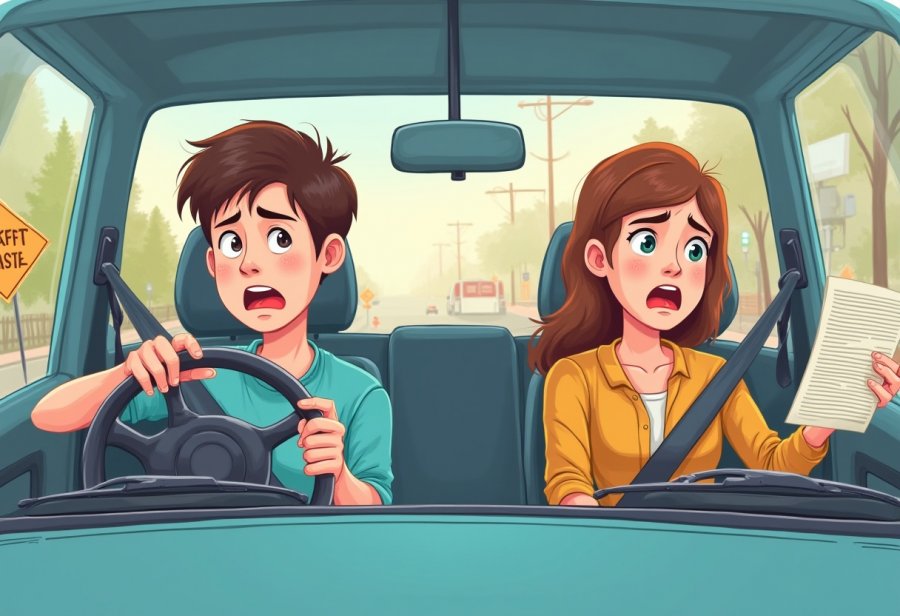
The Tug of War: Conflicting Emotions and Challenges Behind the Wheel
Teen driving is a constant balancing act between independence and vulnerability. On one side, teens see driving as a symbol of freedom, a milestone that marks their transition into adulthood. On the other, they grapple with fears—crashing, making mistakes, or losing control—that threaten to undermine that very independence. This push and pull creates a rollercoaster of emotions every time they get behind the wheel, where excitement and anxiety collide.
Society’s view of teen drivers adds another layer of contradiction. Some argue that inexperience and impulsiveness make young drivers inherently risky, citing higher crash rates and safety concerns. These worries lead to stricter laws and restrictions, emphasizing caution over autonomy. Others believe that limiting teens’ driving privileges can hinder their development, arguing that responsible independence is essential for maturity. This ongoing debate echoes inside teens’ minds, fueling their internal conflicts.
Inside their heads, teens often want to impress friends and prove they’re responsible, yet they fear judgment and failure. Pushing into challenging driving scenarios—like merging onto a busy highway—may earn peer approval but can also escalate anxiety. That desire for acceptance conflicts with their natural caution, making every trip feel like walking a tightrope between confidence and self-doubt.
Mistakes and setbacks are part of this journey. A missed turn or a nervous hesitation can feel like a personal failure, even if others see it as a normal part of learning. These moments highlight how difficult it is to reconcile the thrill of independence with inexperience. The emotional tension can cause teens to hesitate or second-guess themselves, often feeling disappointed or embarrassed. But these experiences are crucial, serving as stepping stones for resilience and growth.
This internal conflict isn’t limited to the driving skills themselves; it’s woven into the very fabric of their emotional development. They learn that feeling unsure isn’t a sign of failure but a natural part of growth. Overcoming these contradictions requires patience and support, transforming nerves into confidence. When teens accept that setbacks are temporary, they start to see driving—and life—as a series of challenges to be met with resilience.
Navigating these conflicting feelings helps teens develop a more nuanced understanding of themselves. The road to confident driving mirrors life’s broader challenges—balancing desire and fear, control and vulnerability. Supporting teens through this emotional maze fosters not just better drivers, but more resilient, self-aware individuals prepared for whatever lies ahead.
Turning Struggles into Strength: Practical Approaches to Supporting Teen Drivers
Understanding the internal struggles teens face when learning to drive can reshape how adults support them through this challenging phase. Recognizing that anxiety, self-doubt, and fear are natural parts of the process allows parents, instructors, and policymakers to adopt more empathetic and effective strategies. When guidance emphasizes emotional resilience alongside technical skills, teens are more likely to feel supported and motivated rather than overwhelmed.
Parents play a crucial role in this journey. Instead of focusing solely on perfecting maneuvers, they can foster a mindset that normalizes setbacks and celebrates progress. Open conversations about fears and mistakes help reduce shame and encourage a growth-oriented attitude. Praising small wins, like a smooth parking or confident lane change, reinforces their belief that improvement is gradual and achievable, easing anxiety and building confidence over time.
Driving instructors and educational programs can also adapt their approaches. Starting with simple tasks in quiet settings and gradually introducing more complex scenarios gives teens a sense of mastery at each stage. Reinforcing that errors are part of learning shifts the focus from perfection to persistence, helping nervous drivers see mistakes as opportunities for growth rather than failures. This fosters patience and resilience, transforming nerves into a proactive effort to improve.
Legal frameworks like graduated licensing systems further support emotional development. By limiting risky driving during early stages, these policies provide a safety net that reduces pressure and stress. Paired with positive reinforcement from families and educators, these restrictions help teens build experience at a manageable pace, encouraging confidence without risking safety or self-esteem.
Applying this understanding in everyday life means creating an environment where setbacks are viewed as natural steps rather than catastrophes. When teens know their struggles are shared and understood, they tend to approach driving with less fear and more curiosity. This mindset encourages perseverance, making each challenge a building block toward independence and maturity.
Supporting teens through their internal battles also means shifting how setbacks are perceived. Instead of seeing mistakes as signs of failure, they become opportunities for learning. Encouragement and patience from trusted adults help transform nervous energy into resilience, enabling teens to face future obstacles with a more confident outlook. This perspective not only benefits their driving but also prepares them for broader life challenges.
By understanding and addressing these internal struggles, adults can nurture a more compassionate and effective approach to teen driving. This helps transform a potentially intimidating process into a journey of growth and self-discovery. When teens feel supported and understood, they’re more likely to develop the resilience and confidence that will serve them well beyond the driver’s seat, shaping them into responsible, self-assured individuals ready to navigate life’s many roads.
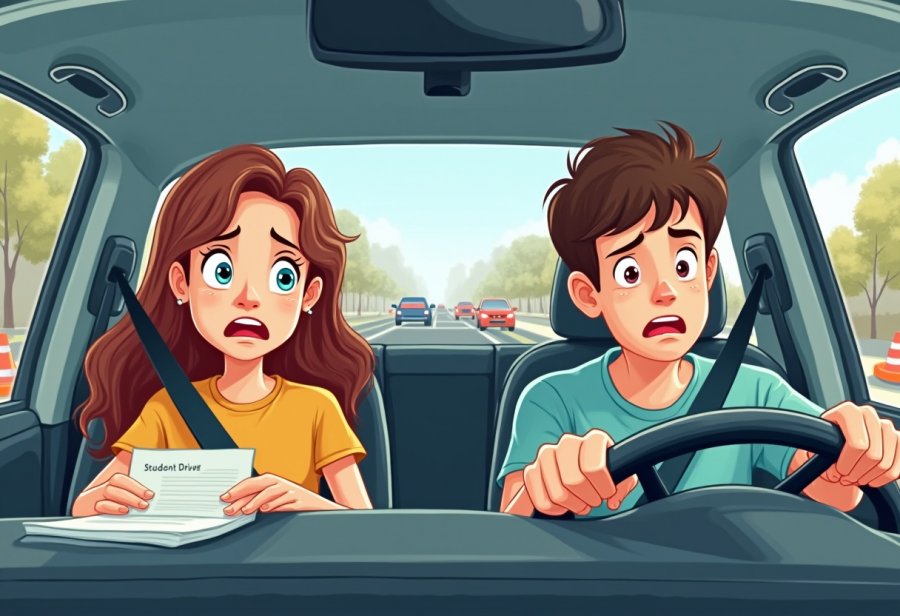
From Hesitation to Confidence: Reflecting on Growth and Overcoming Internal Conflicts
Learning to drive is about more than just mastering the mechanics of steering and braking; it opens a window into the emotional landscape teens navigate as they step toward independence. Behind every hesitant turn and nervous glance lies a story of fear, doubt, and hope. Recognizing these internal struggles helps us see that growth on the road isn’t solely about technical skill but about building resilience and confidence that extend into many areas of life.
As teens face their fears and setbacks, they learn that nerves and uncertainties are natural parts of the process. Each small victory—whether confidently merging onto a highway or parking without hesitation—becomes proof that progress is possible, even amid discomfort. These moments reinforce that confidence is built gradually and that perseverance pays off. Supporting them through this journey emphasizes that setbacks are not failures but essential steps in their development.
The internal battles—worrying about mistakes, peer judgments, and control—mirror their broader journey of self-discovery. When teens understand that feeling unsure doesn’t mean they’re failing, they become more willing to push forward. Normalizing these emotions reduces shame and encourages persistence. This mindset transforms driving from a daunting task into an empowering experience, where every challenge is an opportunity to grow stronger.
This growth is a reflection of life’s bigger challenges. Trusting oneself, managing stress, and handling setbacks with patience are skills that will serve teens far beyond the driver’s seat. When supported with empathy and understanding, they develop a resilient outlook that helps them face future obstacles with confidence. The emotional resilience cultivated during this process becomes a foundation for lifelong strength.
Seeing the journey through this lens shifts how we guide teens. Instead of focusing solely on technical mastery, we recognize that internal struggles are a vital part of growth. Patience and encouragement from parents, instructors, and peers help turn nerves into motivation, making setbacks manageable and learning continuous. This nurturing environment allows teens to see mistakes as growth opportunities, fostering a mindset that will serve them well in all areas of life.
In the end, learning to drive encapsulates more than the act of moving from point A to point B. It’s about navigating internal conflicts and emerging stronger. When teens realize that doubts and fears are part of growth, they start to see themselves as capable learners. Supporting them through these internal battles not only produces better drivers but shapes resilient, self-aware individuals ready to face whatever challenges lie ahead with confidence.