




What if the biggest obstacle to learning to swim is simply taking that courageous first step at any age? This inspiring exploration dismantles the myth that water confidence is only for children, emphasizing that fear can be transformed into freedom through patience, support, and gradual progress. From shallow splash exercises to advanced techniques, the journey highlights the importance of personalized, safe environments and innovative teaching methods—like virtual tools and community programs—that make overcoming water anxiety accessible and empowering. As technology advances and societal attitudes shift, more adults are discovering that it’s never too late to conquer fears, build trust, and enjoy the water’s joy and safety. This evolving landscape invites readers to see water as a space of growth rather than threat, encouraging lifelong confidence regardless of age or past experiences. Are you ready to take your first step toward mastering water confidence and reclaiming your sense of safety and joy?
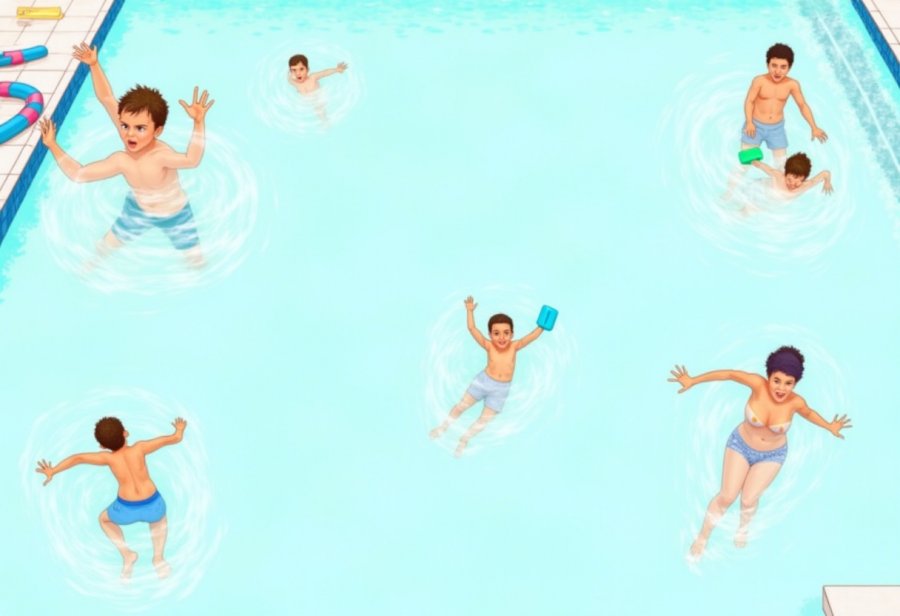
Embrace Water Confidence at Any Age: Your Motivational Journey Begins
Many adults believe that learning to swim is something best left to childhood, but that’s a misconception that holds many back. Whether you’ve never felt comfortable around water or had a negative experience in the past, the truth is that it’s never too late to start building water confidence. Taking that first step might seem daunting, but it’s also incredibly empowering. Every small victory, no matter how simple, helps you feel more in control and capable in the water.
The journey to overcome water fears isn’t just about mastering new skills; it’s about shifting how you see water itself. Recognizing that fear is common and normal is the first move. Many adults carry anxieties rooted in childhood memories or unfamiliarity, which can make water seem threatening or uncontrollable. Reframing those perceptions as opportunities for growth makes the process less intimidating and more approachable.
Building confidence gradually is key. Instead of rushing into deep water or complex strokes, starting with gentle activities like splashing, breathing exercises, or holding onto the pool’s edge allows you to reconnect with water safely. These small steps help reduce anxiety and lay a foundation of trust. Over time, as comfort grows, you’ll find yourself more willing to explore new activities, each one reinforcing your confidence.
It’s also important to remember that water confidence is a lifelong journey, not a race. Support from patient instructors, encouragement from loved ones, and a focus on progress rather than perfection all contribute to success. Celebrate every milestone—whether it’s blowing bubbles, floating, or swimming a short distance—because these moments show you’re moving forward. Each one builds trust in yourself and in the water, turning fear into familiarity.
Age doesn’t define your ability to learn or grow. Whether you’re in your 30s, 50s, or beyond, your mind and body still have remarkable capacity for change. Embracing this idea opens the door to a new sense of freedom and safety in water. Starting with small, cautious steps, you’ll gradually transform fears into confidence, discovering that water can be a source of joy and empowerment at any stage of life.
This process isn’t about perfection or speed; it’s about persistence and patience. With each step, you’re building a foundation of trust and resilience. Supportive environments, gentle encouragement, and a mindset focused on progress make all the difference. When you approach water with curiosity rather than fear, you’ll find that the journey itself becomes a rewarding experience—one that leads to lifelong confidence and a newfound love for the water.
Uncover the History and Psychology of Learning to Swim Later in Life
Learning to swim later in life isn’t just about acquiring new skills; it’s also deeply rooted in understanding both the psychology behind fears and how societal attitudes have evolved. For many years, swimming was viewed as a childhood milestone—something adults could hardly hope to master or improve upon. This misconception kept countless grown-ups from even trying, reinforcing the idea that water fears were just part of aging. Today, however, growing awareness shows that water confidence can be developed at any age, thanks to new insights into adult learning and emotional resilience.
Much of overcoming water fears involves addressing anxieties that often stem from past experiences or unfamiliarity. Negative childhood memories, childhood scares, or simply not feeling comfortable around water create mental barriers. These fears trigger stress and panic, even in shallow water. Reframing these perceptions is crucial. Instead of seeing water as a threat, it helps to view it as a space for growth and confidence-building. Techniques like gradual exposure, positive reinforcement, and breathing exercises work together to reshape how adults feel about water, making the process less intimidating.
Historically, swimming lessons were primarily designed for children, with little focus on adult learners. The belief that it was too late for adults to learn or improve persisted, reinforced by a lack of targeted programs. Many adults thought that fears and anxieties were insurmountable, deepening the misconception that water confidence was out of reach. But as awareness of water safety and health benefits grew, specialized adult programs emerged, emphasizing patience, support, and personalized pacing—recognizing that adults require different approaches than children.
Fears related to water often originate from childhood trauma or negative experiences that create a sense of losing control. These feelings can lead to panic even in shallow water, making progress seem daunting. Changing this mindset involves seeing water as a safe, supportive environment rather than a threat. Supportive instructors and calm, shallow settings are vital in helping adults trust their bodies and surroundings, turning water into a space of comfort rather than fear.
Patience and support are key to this journey. When learners are surrounded by encouraging teachers and in relaxed environments, they’re more likely to take risks and try new things. Celebrating small successes—like floating or blowing bubbles—reinforces progress and builds confidence. Recognizing that setbacks are normal helps maintain motivation, emphasizing that growth happens gradually and that persistence pays off.
Building water confidence is a lifelong process, shaped by the right environment, techniques, and mindset. It’s about creating positive, encouraging experiences that transform water from a source of anxiety into a space of empowerment. When adults approach this journey with patience and trust, they discover that age is no barrier to mastering water skills and enjoying the freedom that comes with confidence in the water.
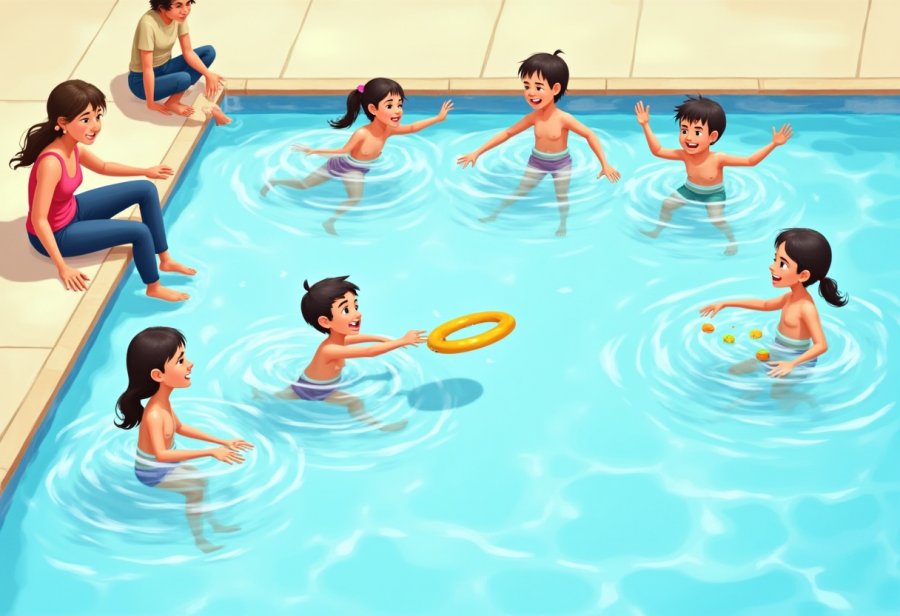
Modern Techniques and Approaches Transforming Water Confidence Education
Contemporary methods for teaching water confidence focus on creating a safe, patient, and gradual learning environment that helps beginners feel comfortable in the water. Instead of rushing into complex skills, instructors typically start with simple activities like splashing, blowing bubbles, or holding onto the pool’s edge. These foundational steps help learners reconnect with water without feeling overwhelmed, reducing anxiety from the very beginning. Supportive coaching that emphasizes encouragement and personalized pacing is essential, as everyone learns at their own speed, and respecting that makes all the difference.
Modern programs also take advantage of various tools and environments to make learning more approachable. Visual aids like waterproof diagrams or videos can clarify techniques without adding pressure. Some courses incorporate virtual coaching sessions, giving learners the chance to review instructions and get feedback remotely, making practice more flexible. Small group classes foster a sense of community, encouraging learners to support each other and feel less isolated. This supportive setting boosts confidence and creates a positive atmosphere for progress.
Gradual exposure remains a cornerstone of current approaches. Beginners typically start in shallow water, practicing simple tasks such as floating or kicking, before progressing to deeper areas. This step-by-step process helps dismantle fears by demonstrating that water can be a safe, controllable space. Instructors celebrate every small success—like floating calmly or blowing bubbles—to reinforce positive associations and motivate continued effort. These small victories build trust in one’s abilities and in the water itself.
Many everyday situations also serve as informal opportunities to build confidence outside structured lessons. Wading at the beach, playing with water toys in the backyard, or practicing breathing exercises in the bathtub all help foster familiarity and comfort with water. These casual encounters make water feel less foreign and more like a space for fun and relaxation, encouraging adults to see confidence-building as part of everyday life.
There’s ongoing dialogue among experts about the best techniques for adult learners, especially regarding safety and effectiveness. Most agree that a patient, stepwise approach is safest and yields the best results. Whether focusing first on floating or breathing, tailoring the process to each individual’s comfort level is key. Recent innovations—like water simulation environments and mobile apps—offer new ways to practice and receive feedback, making learning more accessible and less intimidating.
These innovations aim to make water confidence building more enjoyable and less daunting, especially for those who might hesitate in traditional settings. As awareness of the importance of lifelong water safety grows, more programs are designed specifically for adults, emphasizing patience and personalized progress. This shift helps dispel the myth that it’s too late to learn at any age, encouraging more people to take that first step toward feeling safe and confident in water.
In the end, current standards prioritize creating positive, encouraging experiences. Whether through technology, community support, or tailored instruction, the goal is to help adults see water as a safe, welcoming environment where fears can be overcome gradually. These methods recognize that building confidence is a personal journey—one that requires patience, persistence, and trust. When approached with the right tools and mindset, anyone can develop lifelong water confidence, turning anxiety into enjoyment and safety.
Practical Steps to Build Water Confidence and Turn Anxiety into Empowerment
Getting started with water confidence techniques doesn’t have to be complicated. Focus on small, manageable steps that build trust and comfort in the water. Begin in shallow areas, practicing simple activities like splashing water on your face or holding onto the pool’s edge. These actions help you become familiar with water sensations without feeling overwhelmed, making it easier to relax and focus on the process. Regular practice—even just a few minutes each day—reinforces your progress and creates momentum toward bigger milestones.
Celebrating every achievement, no matter how small, keeps your motivation high. When you blow bubbles underwater or float calmly for a few seconds, recognize it as a sign of progress. These moments boost your confidence and remind you that you’re capable of more than you might think. If you encounter setbacks, don’t push too hard or get discouraged. Instead, revisit earlier steps or take a break to reset. Returning to familiar, safe activities helps restore your confidence and prepares you to try again with a fresh mindset.
Personalizing your approach makes the journey more enjoyable and sustainable. Everyone’s comfort levels differ, so adapt activities to what feels right for you. If submerging your face feels intimidating, start by dipping toes or splashing water on your cheeks. Gradually work toward blowing bubbles or floating on your back as your confidence grows. Listening to your body and respecting your limits prevents frustration and keeps the experience positive. Consistency is key—small, regular efforts add up over time.
Breath control is a powerful tool to ease water-related anxiety. Practice inhaling slowly through your nose and exhaling steadily through your mouth, both on land and in the water. These calming exercises help quiet nerves and create a sense of mastery over your body’s responses. Combining breathing techniques with gradual exposure turns feelings of fear into feelings of control, making more challenging activities like submerging or floating feel less intimidating.
Support from encouraging instructors or trusted friends can make a significant difference. Having someone patient by your side provides reassurance and guidance through each step. They can celebrate your successes and help you navigate setbacks with kindness and understanding. Remember, progress isn’t about perfection; it’s about persistence. With steady effort, positive reinforcement, and a supportive environment, confidence develops naturally, transforming water from a source of anxiety into a space of enjoyment and empowerment.
Building water confidence is a personal journey that benefits from patience and persistence. Focus on small wins, stay consistent, and celebrate every step forward. Over time, your trust in your abilities will grow, and water will become a safe, fun part of your life. With the right techniques, mindset, and support, feeling comfortable in water is an achievable goal for everyone—regardless of age or experience. The key is to start where you are and keep moving forward, knowing that each effort brings you closer to a lifelong sense of confidence and joy in the water.
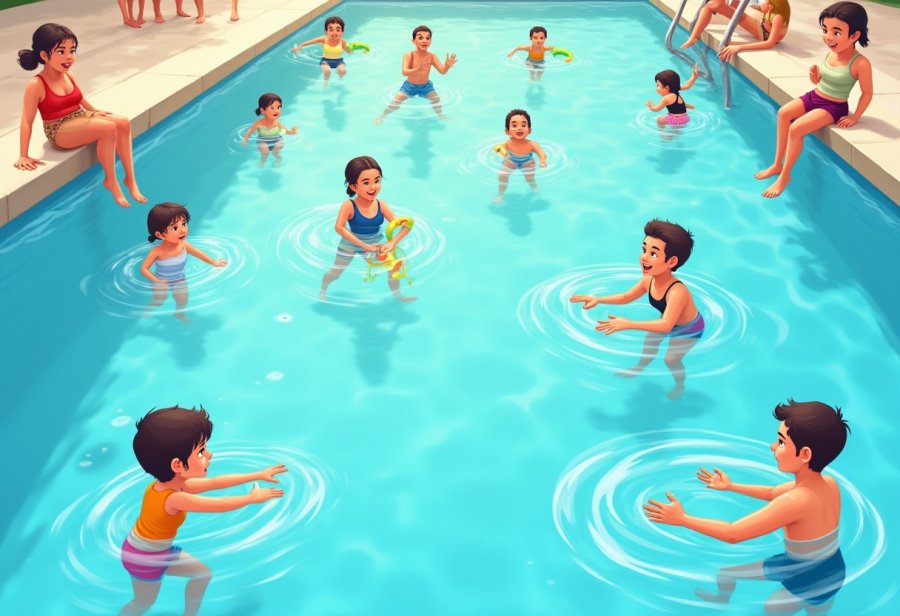
Innovations and Trends Shaping the Future of Lifelong Water Confidence
The future of water confidence education is looking brighter than ever, fueled by technological advances and innovative teaching approaches. Virtual reality and online coaching platforms are breaking down barriers, allowing adults to practice and build confidence in water from the comfort of their homes. These immersive tools simulate water sensations in safe, controlled environments, easing anxiety before stepping into a pool. Such technologies make overcoming water fears more accessible, especially for those hesitant to start in traditional settings.
Meanwhile, community-based programs are expanding to serve more adults, emphasizing patience, personalized pacing, and peer support. Cities and local organizations are creating beginner-friendly classes tailored specifically for older learners, fostering a sense of belonging and encouragement. When adults see others at similar stages, it reduces feelings of isolation and reinforces that overcoming water fears is a shared journey. This sense of community can be a powerful motivator to keep pushing forward.
Water simulation environments are also gaining popularity, offering safe spaces where adults can get comfortable with water without the risks of deep water or overwhelming experiences. These controlled settings help build trust and familiarity gradually, making the transition to real pools less intimidating. Additionally, mobile apps and digital resources are providing personalized feedback, progress tracking, and motivational prompts. These tools help learners stay engaged, practice regularly, and celebrate small wins, turning progress into a motivating habit.
As awareness of the importance of lifelong water safety and confidence grows, more organizations are launching specialized programs for older adults. These initiatives emphasize that it’s never too late to learn or improve, shifting the narrative around water fears. Messaging that promotes inclusivity and empowerment encourages more adults to take that first step, transforming water from a source of anxiety into a space of fun and freedom.
Staying motivated will be key as new resources emerge. Setting achievable goals and sharing progress with others creates a support network that keeps spirits high. Celebrating every milestone, big or small, fosters resilience and persistence. As technology and community efforts continue to evolve, the path to lifelong water confidence becomes clearer and more inviting for everyone.
Looking ahead, these innovations will make learning to swim at any age more engaging, less daunting, and ultimately more achievable. They will help dismantle psychological barriers, encouraging a culture where water confidence is viewed as a lifelong pursuit rather than a childhood skill. With continuous improvements in tools, support, and awareness, many more people will discover the joy, safety, and independence that come with feeling comfortable in water, no matter their starting point.