




When we hear Cleopatra’s name, Hollywood’s glamour often overshadows her true legacy as a brilliant strategist and scholar. Was she merely a seductress, or a masterful diplomat whose influence stemmed from intelligence, cultural diplomacy, and resilience? This portrayal uncovers Cleopatra as a multidimensional leader—a woman fluent in multiple languages, adept at forging strategic alliances through marriage, negotiation, and symbolism. Her ability to navigate Egypt’s internal rivalries and external threats with wit and scholarly insight redefined power beyond military might. Far from the romanticized archetype, she was a visionary who used her mind—her knowledge, cultural understanding, and political acumen—to shape history. As we reassess her story, the question arises: Could her greatest legacy be the power of her intellect? This exploration challenges us to see her not just as a queen of beauty, but as a formidable leader rooted in influence, diplomacy, and resilient leadership—an enduring inspiration for modern times.
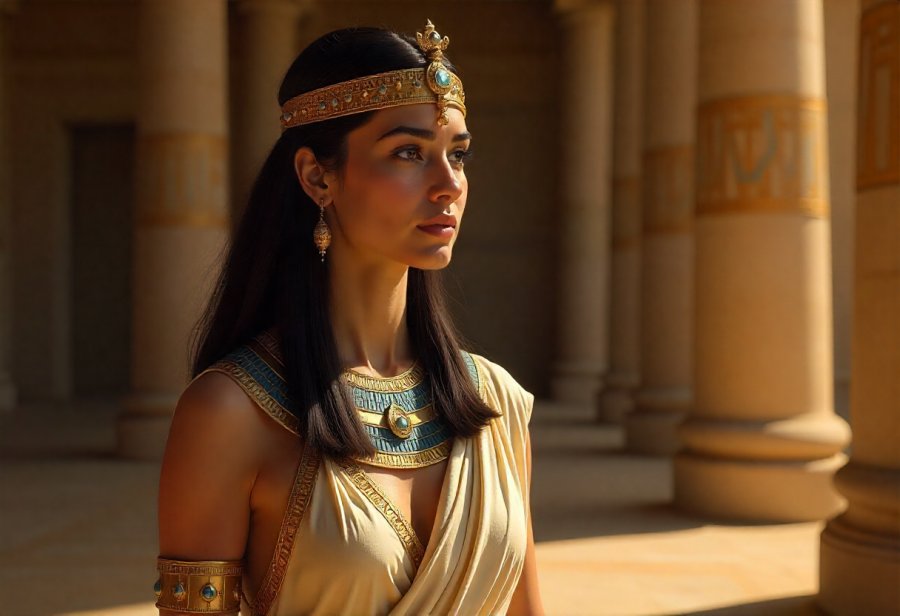
Unveiling Cleopatra: Beyond Hollywood Glamour
When most people hear the name Cleopatra, they often picture her as a glamorous seductress or a Hollywood icon caught in romantic scandals. These images, while captivating, tend to oversimplify her true story and overlook her remarkable qualities as a leader. Beneath the surface lies a woman who was as sharp-minded as she was strategic—an intellectual powerhouse who understood the immense power of knowledge and diplomacy. Cleopatra VII was not just a queen of Egypt; she was a scholar, a diplomat, and a ruler with a keen sense of timing and influence.
Her legacy is rooted in her ability to combine political savvy with cultural intelligence. She mastered the art of diplomacy, forging alliances through marriage, negotiation, and cultural diplomacy. Her fluency in multiple languages and her scholarly pursuits challenged the stereotypes of her as merely a beautiful woman. Instead, she was a woman of learning, capable of engaging with some of the brightest minds of her era and using that knowledge to her advantage. Her leadership was built on resilience, wit, and a deep understanding of both Egyptian and Greek traditions.
Cleopatra’s story is a reminder that true power isn’t solely about military strength. It’s also about influence—through persuasion, symbolism, and timing. Her ability to adapt to shifting political winds and leverage her cultural identity helped her maintain her authority in a turbulent world. Her alliances with Julius Caesar and Mark Antony weren’t just romantic tales; they were strategic moves designed to protect Egypt’s independence and strengthen her position. Her influence was rooted in intelligence, cultural diplomacy, and a keen sense of statecraft.
Looking past Hollywood’s glamour, Cleopatra emerges as a complex, multidimensional figure. She used her intellect and diplomatic skills to navigate a male-dominated world, breaking gender norms and demonstrating that leadership rooted in knowledge and resilience could leave a lasting legacy. Her ability to think ahead, foster alliances, and use symbolism and religion to legitimize her rule made her one of history’s most formidable leaders. Her story is a testament to how influence and strength of mind can shape history just as power and beauty can.
Born to Power: Cleopatra’s Lineage and the Egyptian Court
Cleopatra VII was born around 69 BCE into the Ptolemaic dynasty, a Greek family that had governed Egypt since the death of Alexander the Great. Her ancestors, Macedonian Greeks, inherited the throne through a series of succession disputes, creating a ruling class that blended Greek customs with native Egyptian traditions. This unique cultural mix shaped her upbringing, exposing her to both Hellenistic and Egyptian worlds from an early age. Educated in politics, languages, sciences, and philosophy, Cleopatra was known for her sharp intellect and cultural sophistication—qualities that set her apart in a male-dominated society.
Her early years were marked by internal court rivalries and external threats. The Ptolemaic court was rife with factional disputes, making political savvy essential for survival. At the same time, Egypt faced the expanding influence of Rome across the Mediterranean, a challenge Cleopatra would grapple with throughout her reign. She inherited a volatile environment where constant maneuvering was necessary to maintain power. Her ability to navigate these internal and external tensions was crucial to her longevity as a ruler.
Cleopatra’s multilingual skills enabled her to communicate directly with a diverse range of diplomats, scholars, and political figures. Fluent in Egyptian, Greek, and Latin, she could forge alliances beyond Egypt’s borders, giving her a diplomatic edge. Her education laid the foundation for her future success in diplomacy and statecraft, allowing her to engage with influential leaders and intellectuals across the Mediterranean with confidence. Her ability to speak their languages helped her build trust and demonstrate her intelligence and authority.
Egypt’s geopolitical situation remained precarious as Rome’s power grew. Cleopatra understood that her survival depended on strategic alliances, and she worked tirelessly to secure her position through diplomacy and careful court management. She participated in religious ceremonies and adopted symbols like the uraeus cobra to reinforce her divine authority, blending Egyptian religious traditions with her Greek heritage. These efforts helped legitimize her rule and fostered loyalty among her subjects, reinforcing her image as a divine and resilient leader.
Throughout her reign, Cleopatra demonstrated remarkable resilience and adaptability. Her strategic alliances with Julius Caesar and Mark Antony were carefully crafted to protect Egypt’s independence and enhance her influence in Rome’s evolving political landscape. Her mastery of cultural symbolism, political maneuvering, and scholarly pursuits made her a sophisticated leader who understood the importance of influence rooted in knowledge and tradition. Her legacy is built not just on her lineage, but on her ability to navigate an ever-changing world with intelligence and resilience.
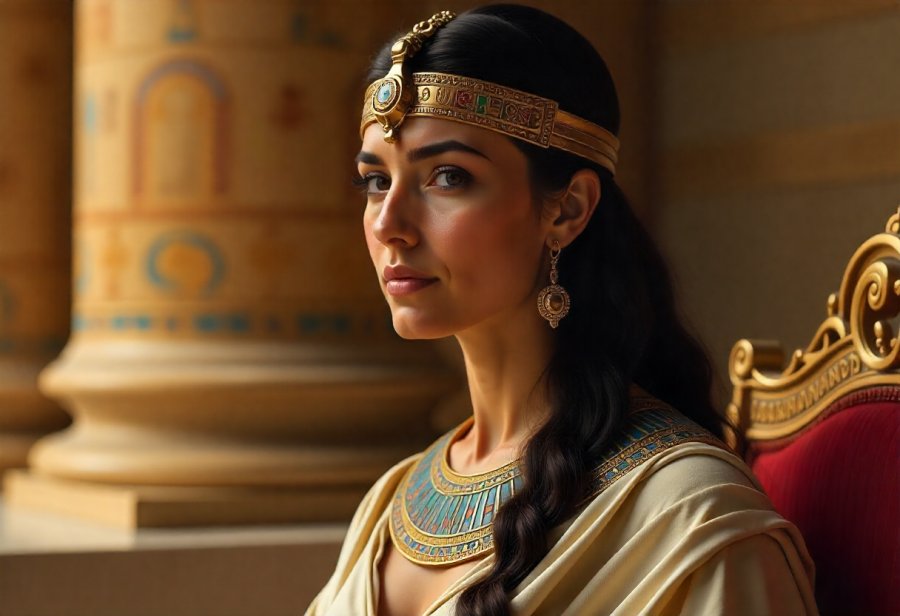
Mastermind of Influence: Cleopatra’s Diplomatic and Political Genius
Cleopatra’s mastery in diplomacy and governance was the foundation of her lasting legacy. She understood that true power extended beyond military might, relying instead on strategic alliances, negotiation, and cultural influence. Her ability to swiftly interpret political shifts allowed her to adapt tactics—whether managing court rivalries or responding to external threats. Her alliances with Julius Caesar and Mark Antony weren’t mere romantic tales; they were carefully calculated moves to strengthen Egypt’s independence and her own authority. These partnerships exemplified her skill in wielding influence through marriage, diplomacy, and propaganda as tools of statecraft.
Her multilingual talents set her apart. Fluent in Egyptian, Greek, and Latin, Cleopatra communicated directly with diplomats, scholars, and rival leaders, cutting out middlemen and building trust. This direct engagement gave her an edge in negotiations, allowing her to dispel stereotypes and project intelligence and confidence. Her scholarly interests, spanning sciences, philosophy, and astronomy, weren’t just hobbies—they served as diplomatic assets, impressing influential elites and reinforcing her image as a ruler who valued knowledge as a form of power.
Culturally, Cleopatra seamlessly merged Egyptian traditions with her Macedonian Greek roots. She adopted symbols of divine authority, participated in religious rituals, and used imagery like the uraeus cobra to legitimize her reign. These actions helped her connect deeply with her Egyptian subjects, reinforcing her divine right to rule. Her adeptness at cultural diplomacy created a unifying identity that transcended internal divisions and external threats, solidifying her position as a resilient leader capable of navigating complex geopolitics.
Her strategic marriages to Julius Caesar and Mark Antony were more than personal unions—they were political tools designed to secure military support and influence Roman politics. Cleopatra understood that influence could be wielded through symbolism and ceremony, using religious imagery and court rituals to bolster her divine legitimacy. Through propaganda campaigns—seen in coinage and court ceremonies—she projected an image of authority that resonated both within Egypt and across the Mediterranean, ensuring her influence extended far beyond her throne.
Ultimately, Cleopatra’s resilience and strategic thinking shone brightest in her ability to turn threats into opportunities. She leveraged her cultural knowledge, political instinct, and mastery of influence to outmaneuver rivals and protect her kingdom. Her deep understanding of power—rooted in intelligence, diplomacy, and adaptability—allowed her to shape her own destiny and leave a legacy that endures today. Her leadership was about more than survival; it was about inspiring through resilience and the relentless pursuit of influence rooted in the mind.
Myth vs. Reality: Redefining Cleopatra’s Legacy in Modern Times
Today, Cleopatra’s legacy is often shaped by myths and Hollywood portrayals that emphasize her beauty and romantic liaisons with Julius Caesar and Mark Antony. These stories, while captivating, tend to overshadow her true achievements as a leader, diplomat, and scholar. Modern historians are increasingly focused on uncovering the real person behind the legend—someone whose influence was rooted in intelligence, strategic thinking, and cultural diplomacy. Recognizing this helps us move beyond superficial images to appreciate her as a formidable figure who played a vital role in shaping history.
Hollywood’s depiction often reduces Cleopatra to a seductress whose power depends on allure. While her relationships with Rome’s great men are well-documented, they were primarily strategic alliances designed to protect Egypt’s independence. Her leadership was far more complex, built on wit, linguistic skills, and political savvy. Viewing her through this lens reveals a woman who mastered influence not just through charm but through a deep understanding of power dynamics and statecraft.
Many misconceptions dismiss Cleopatra as merely a beautiful woman manipulated by men or a fleeting figure of vanity. In reality, she was an accomplished scholar, fluent in Egyptian, Greek, and Latin, and deeply engaged in sciences, philosophy, and astronomy. Her patronage of Alexandria’s Library and her own scholarly pursuits show her dedication to knowledge, which she used as a diplomatic tool to forge alliances and demonstrate her authority. Her intellect was a core strength that helped her connect with diverse audiences and shape her legacy.
Her role as a female ruler in a patriarchal society is often underestimated. Cleopatra’s ability to govern effectively, maintain her sovereignty, and forge powerful alliances challenged gender norms of her time. She proved that leadership rooted in resilience, intelligence, and cultural understanding could transcend societal expectations. Her example continues to inspire women today, reminding us that influence and authority come from capability and insight, regardless of gender.
Reevaluating her influence involves moving beyond romanticized stories and examining the historical evidence. Accounts from ancient writers like Plutarch and Cassius Dio depict her as a shrewd diplomat and a patron of learning, not just a figure of legend. Recognizing her multifaceted leadership—combining cultural diplomacy, political strategy, and scholarly pursuits—allows us to see her as a pioneer who used her mind to shape her destiny and Egypt’s future.
This fresh perspective shifts the narrative from superficial myth to a recognition of her true strength: her intellect and resilience. Cleopatra’s leadership was about more than survival; it was about shaping history through strategic vision and cultural influence. Her story offers timeless lessons, showing that resilience, strategic thinking, and a deep understanding of culture are just as vital today as they were in her time.
By acknowledging her genuine accomplishments, we not only honor her legacy but also gain insight into what it truly means to lead. Cleopatra’s story reminds us that influence rooted in knowledge and resilience can leave a mark far more enduring than fleeting beauty or sensational tales. Her life challenges us to see leadership as a matter of mind as much as power, inspiring a reevaluation of what it truly means to leave a lasting legacy.
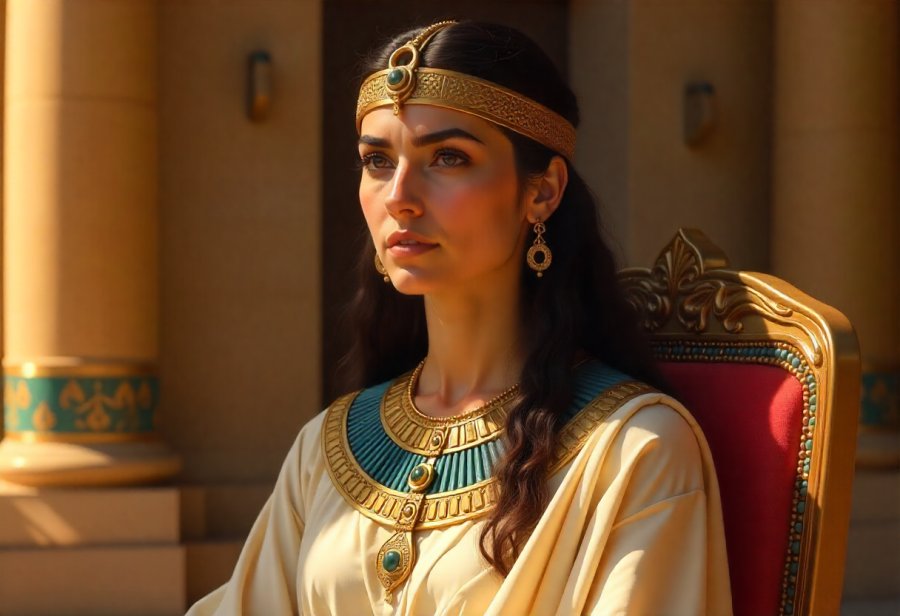
A Legacy Reexamined: Celebrating Cleopatra as a Scholar-Queen and Strategic Leader
Cleopatra’s legacy extends far beyond the romanticized stories that have long dominated popular culture. When we look past the myths, what becomes clear is a woman whose influence was rooted in her intelligence, strategic thinking, and diplomatic skill. She understood that true power came from knowledge, cultural insight, and resilience—qualities that allowed her to shape her own destiny and protect Egypt amid turbulent times.
Her alliances with Julius Caesar and Mark Antony are often highlighted, but these partnerships were just one aspect of her broader political acumen. Cleopatra knew how to wield influence through language, symbolism, and diplomacy—tools that reinforced her legitimacy and forged crucial alliances. Her fluency in multiple languages and her scholarly pursuits in sciences and philosophy weren’t mere hobbies; they were strategic assets that helped her connect with diverse audiences and demonstrate her capability as a leader.
What sets Cleopatra apart is her ability to merge Egyptian traditions with her Macedonian Greek heritage, creating a leadership style that was both resilient and adaptable. She actively participated in religious rituals, adopted symbols of divine authority, and used propaganda to reinforce her legitimacy. This cultural diplomacy created a unifying identity that transcended internal divisions and external threats, helping her maintain sovereignty even as Rome’s power expanded.
Reevaluating Cleopatra as a scholar-queen reveals a figure driven by more than beauty or political convenience. She was a master of influence, leveraging her intellect, cultural knowledge, and resilience to navigate complex geopolitics. Her leadership was about shaping history through strategic vision and innovation, not just surviving. Recognizing these qualities shifts the narrative from superficial stereotypes to a celebration of her true strength: her mind.
Her story offers timeless lessons for today’s leaders. Resilience, strategic thinking, and cultural understanding remain vital. Cleopatra’s ability to adapt, her mastery of influence, and her unwavering dedication to knowledge exemplify qualities that transcend her era. Celebrating her as a pioneering figure reminds us that leadership rooted in intelligence and resilience can leave a legacy as enduring as any empire—proof that true influence is built from the power of the mind.