




Embark on the chaotic yet hilarious world of DIY computer upgrades, where tangled wires, incompatible parts, and unexpected mishaps turn a straightforward task into a memorable adventure. Despite careful planning, cables rebel, and hardware surprises test patience and humor alike. This journey reveals that each mistake—whether installing a component upside down or dropping a screw—becomes part of the learning process, transforming frustration into laughter. With community stories, online tutorials, and a dash of perseverance, even beginners can navigate the chaos and build confidence. Humor acts as a bridge to overcoming anxiety, reminding us that chaos is an intrinsic part of mastering DIY tech. Whether tackling small upgrades or complex overclocking, embracing the mess fosters growth and resilience. So, are you ready to turn tangled cables into a badge of honor? Dive in, enjoy the ride, and let the chaos teach you something new with every click and twist.
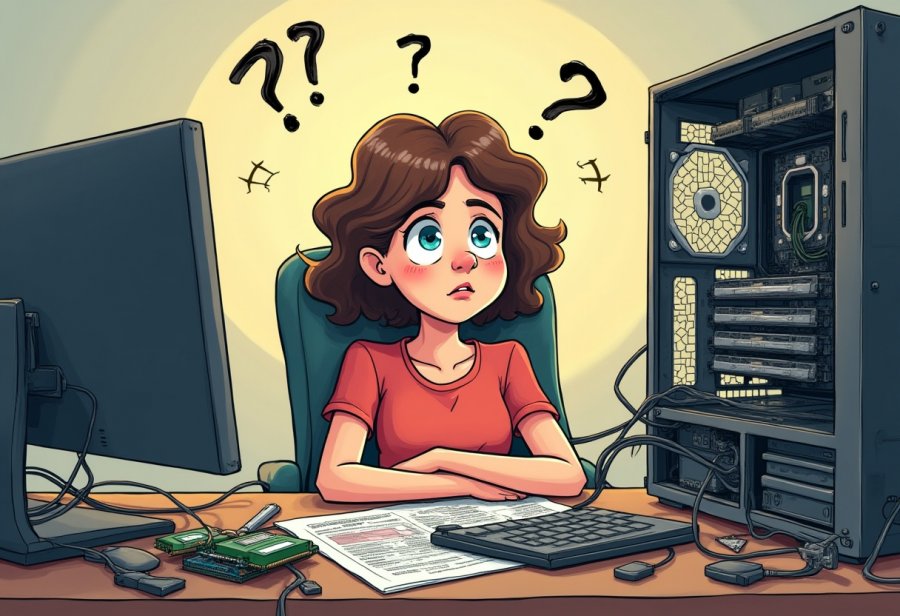
Embark on the Humorous Journey of DIY Computer Upgrades
Upgrading your computer might seem like a straightforward task—just swap out a few parts and enjoy a faster, more powerful machine. But anyone who’s tried it knows that the reality is often far from smooth. What begins as a simple project quickly spirals into a chaotic adventure, full of tangled cables, confusing manuals, and unexpected surprises. One minute, you’re confidently removing the side panel; the next, you’re elbow-deep in a web of wires that seem to have a life of their own, twisting and knotting into impossible shapes.
The process of tinkering with hardware can feel like stepping into a quirky, unpredictable lab where nothing goes quite as planned. Despite your best efforts to stay organized, the cables seem to rebel, looping and hiding just when you need them most. Compatibility issues pop up unexpectedly—your shiny new graphics card might be too big for your case, or the RAM you bought refuses to play nice with your motherboard. These surprises turn what should be a quick upgrade into a puzzle that tests your patience and sense of humor.
Every step feels like a mini adventure—tightening screws, plugging in connectors, adjusting components—often with a healthy dose of trial and error. Sometimes, a connector doesn’t quite fit, or a cable is inserted upside down after you’ve spent ages trying to troubleshoot why your system isn’t recognizing the hardware. These moments of chaos become part of the comedy, and just when you think you’re done, a stray screw or a sudden power outage can wipe out hours of work, forcing you back to square one.
Despite the mess and mishaps, there’s a strange satisfaction in powering up your machine after a day of chaos. Seeing it turn on, knowing you navigated the tangled wires and hardware hiccups, feels like a small victory. Each mistake and each tangled cable adds to the story—and makes the next upgrade feel a little less intimidating. It’s a wild ride full of laughs, lessons, and the occasional “what was I thinking?” moment, but that’s part of what makes DIY upgrades so memorable.
Navigate the Chaotic Lab of Hardware Tinkering and Tangled Wires
Attempting to upgrade your computer yourself often feels like walking into a chaotic lab where plans quickly go awry. No matter how carefully you prepare, those cables stubbornly refuse to stay tidy, looping and knotting themselves into a tangled mess that seems to multiply with each move. It’s as if the wires have a mind of their own, mocking your efforts to keep things organized and turning what should be a simple task into a frustrating puzzle.
Hardware components seem to have a knack for testing your patience, especially when what looks compatible on paper turns out to be incompatible in practice. You might buy a sleek new graphics card only to realize it’s too large for your case, or install RAM that doesn’t quite match your motherboard, resulting in a series of beeps that sound like Morse code. These surprises pop up unexpectedly, prompting hours of troubleshooting and making you question every decision you’ve made so far.
Every step in the process feels like a mini adventure—tightening screws, plugging in connectors, or adjusting parts—often with a hefty dose of trial and error. Sometimes, a connector doesn’t quite fit, or you realize you’ve inserted a cable upside down after wasting precious minutes trying to figure out why the system isn’t recognizing your hardware. These moments of chaos become part of the comedy, and just when you think you’re ready to power up, a stray screw or a sudden power outage can wipe out hours of effort, forcing you to start from scratch.
The spaghetti of cables is perhaps the most notorious culprit, seemingly multiplying despite your best efforts to keep things neat. No matter how meticulous your planning, reconnecting always seems to result in a more tangled, almost alive, sculpture of wires. Troubleshooting this chaos can feel like trying to untie a knot blindfolded—slow, frustrating, and often hilarious. The more you try to tame the mess, the more rebellious the wires become, looping around each other in ways that defy logic.
Missteps happen all the time—installing incompatible parts, misplugging cables, or dropping screws into inaccessible spots. These mistakes turn a straightforward upgrade into a comedy sketch, with moments of panic quickly replaced by laughter. Whether it’s a graphics card installed upside down or a screw that vanished into the abyss, each blunder teaches a little more patience and a lot about double-checking your connections.
Despite the chaos, there’s a strange satisfaction in powering up your machine after a day of tangled wires and hardware mishaps. It’s a victory, however small, that makes all the frustration worth it. These moments of disorder, mistakes, and unexpected surprises are part of the journey—transforming what seems like a technical nightmare into a memorable, even humorous, experience that builds confidence for future upgrades.

Explore Modern Attitudes and the Lighthearted Side of Tech Tinkering
Today’s attitudes toward DIY computer upgrades are as diverse as the tech community itself. On one hand, there’s a passionate crowd that sees tinkering as a rewarding hobby—an opportunity to learn, improve, and even show off their latest build. These enthusiasts often share stories filled with humorous mishaps, like installing a CPU cooler upside down or battling tangled cables that seem to have a life of their own. Their tales turn frustrations into funny anecdotes, helping to normalize mistakes and remind everyone that even seasoned builders stumble from time to time.
Meanwhile, a growing segment prefers to leave hardware upgrades to professionals or opt for pre-built systems. Concerns about damaging expensive parts, voiding warranties, or ending up with a non-functioning machine make some hesitant. Yet, even skeptics can’t resist the humor found in the community’s shared stories—memes of spaghetti cables, clips of hardware disasters, and jokes about “DIY gone wrong.” This collective humor acts as a buffer, easing the anxiety around tinkering and highlighting that chaos is a universal part of the process.
The accessibility of online tutorials and forums has democratized hardware upgrading, encouraging more first-timers to give it a shot. However, many beginners quickly discover that what looks simple on a video can become a comedy of errors in real life. Inexperienced hands often mistakenly install incompatible parts, misread instructions, or drop screws into unreachable corners. These moments, while frustrating at first, become part of the learning curve—and the stories that make the journey memorable.
Media portrayals tend to lean into the comedic side of tech tinkering, with exaggerated clips of wires sprawling everywhere or parts installed upside down. These exaggerations resonate because they mirror real-life experiences—just amplified for entertainment. They serve as a reminder that even experts have their moments of chaos, making the process feel more approachable and less intimidating. Humor here acts as a bridge, encouraging more people to face their upgrade fears with a smile.
Across different cultures and regions, the perception of DIY upgrades varies, but the shared laughter about hardware mishaps unites enthusiasts worldwide. In North America and Europe, upgrading a PC is often a badge of honor and a social event—stories of tangled wires and broken parts circulate among friends. In other areas, warnings about “the perils of tinkering” are common, but even then, the humor about hardware fails helps forge a sense of community and shared experience.
Amidst all this, it’s clear that humor plays a vital role in how we approach tech upgrades. It softens the sting of mistakes and transforms setbacks into stories of resilience. The chaos of tangled cables, misfitted components, and accidental sparks becomes part of the adventure—reminding us that every mishap is a step toward mastery. Embracing this chaotic side makes the journey more enjoyable and less daunting, encouraging more people to dive into their next project with confidence and a good laugh.
Master Hands-On Tips and Embrace the Comedy of Hardware Mishaps
Getting started with a DIY computer upgrade can feel overwhelming, but breaking the process into simple, manageable steps makes it much more approachable—and even fun. Begin by gathering your tools: a good Phillips screwdriver, an anti-static wristband to protect your components, and your new hardware. Having everything within arm’s reach saves you from frantic searches that can turn a quick task into a chaotic scavenger hunt. Watching a quick tutorial or two beforehand can provide a helpful roadmap, but don’t worry if things don’t go perfectly the first time—mistakes are just part of the learning journey.
Handling delicate components carefully is crucial. Static shocks or dropping tiny screws can turn a straightforward upgrade into a comedy of errors. Label cables with masking tape or take photos before disconnecting them; these small tricks save hours of confusion later. Patience is your best tool—if a part doesn’t slide in easily or a connector seems stubborn, double-check compatibility, take a deep breath, and try again. Rushing only increases the chances of mistakes, and sometimes a little extra care prevents bigger headaches down the line.
Start with simpler projects like cleaning out dust or swapping out a hard drive. These small steps build confidence and familiarize you with hardware handling. Expect some hiccups—perhaps a screw drops into an unreachable corner or a cable is plugged in upside down. Laugh it off, fix the mistake, and keep going. Remember, every misstep is a chance to learn, and each successful connection boosts your confidence for more complex upgrades.
One common blunder is installing a graphics card upside down or backwards, which can cause panic. Dropping screws into the case and spending ages fishing them out is another classic moment. These incidents are frustrating but hilarious in hindsight, and they serve as gentle reminders to stay organized and double-check everything before powering up. Taking your time and reviewing connections ensures you don’t wake up to a non-starting machine.
When troubleshooting, online forums and tech communities become invaluable allies. If something isn’t working, chances are someone else has faced the same problem and shared a quick fix. These tips can turn a day of frustration into a manageable puzzle, making the process more enjoyable. Seeing others’ screw-ups and solutions helps normalize your own mishaps, turning them into shared laughs rather than sources of stress.
Before pressing that power button, do a final review of all connections. Loose cables or improperly seated RAM are common culprits behind startup issues. Take a moment to double-check everything—patience here pays off. A quick review can save hours of troubleshooting and prevent accidental damage. Embracing the process, with its inevitable mistakes and surprises, transforms a technical task into an adventure filled with humor and growth.
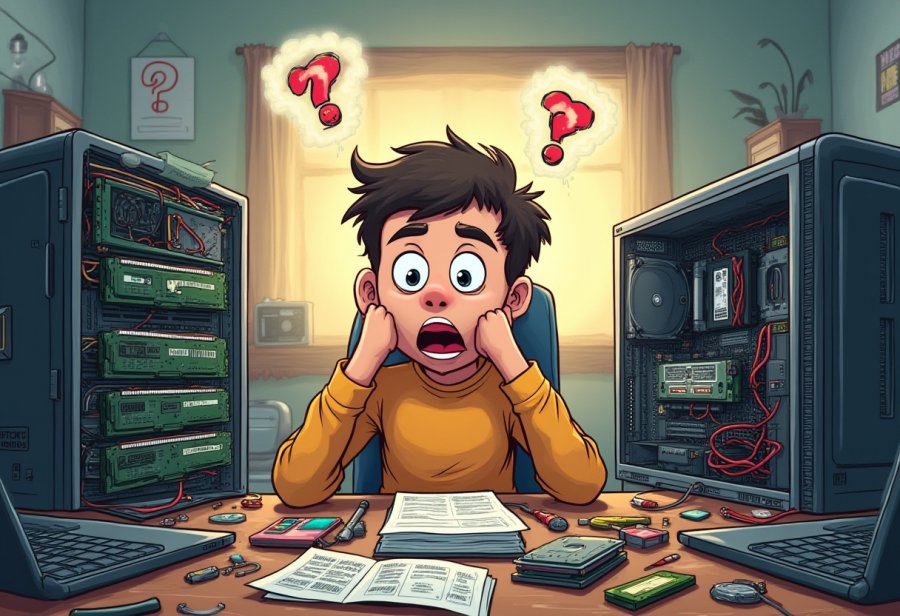
Wrap Up Your Adventure with Laughter, Lessons, and Future Upgrade Dreams
Wrapping up your journey into DIY computer upgrades, it’s clear that chaos and comedy often walk hand in hand. Those tangled cables, misfitted parts, and unexpected sparks become badges of honor—proof of your willingness to learn and push through the mess. Sure, some moments might make you want to throw in the towel, but later, they turn into funny stories you’ll tell for years. Every tangled wire or dropped screw adds a chapter to your DIY saga and makes the next project feel a little less daunting.
The biggest lesson is that mistakes are just part of the adventure. Embracing the chaos transforms frustration into fun and makes the process memorable. When things go sideways, see it as an opportunity to learn—and often, to laugh at yourself. Even the most experienced builders have faced their share of hardware disasters. These moments, while maddening at the time, fade into funny stories and valuable lessons that boost your confidence for future upgrades.
As you gain more experience, each upgrade becomes a little smoother, and your toolbox of skills grows. Bigger projects like overclocking or troubleshooting stubborn hardware may seem intimidating now, but they’re just more chances to turn chaos into control. With each challenge, you’ll understand your hardware better and develop a sharper eye for troubleshooting. Plus, you’ll have a collection of hilarious stories about spaghetti cables and hardware mishaps that will make future projects even more enjoyable.
Remember, the chaos isn’t just an obstacle—it’s part of what makes DIY upgrades rewarding. The mess, mistakes, and surprises turn routine tasks into memorable adventures. Embracing these moments helps you grow as a builder and keeps the process fun. The more you tinker, the more you see that patience, humor, and a willingness to learn turn hardware chaos into a badge of honor.
So keep tinkering, keep laughing, and don’t shy away from the mess. Every failed attempt, tangled cable, or unexpected mishap is a step forward. Over time, you’ll handle the chaos more confidently and enjoy the process even more. The best stories often come from the most chaotic moments, and those stories make the journey worthwhile. Embrace the unpredictability, celebrate every lesson, and remember that each upgrade is a new chapter in your DIY adventure.