




Nylon, a durable and versatile material woven into countless facets of modern life, hides a complex and troubling environmental story. Originating from petrochemicals derived through energy-intensive processes, its production contributes significantly to pollution, greenhouse gas emissions, and habitat destruction. Yet, despite its resilience and long-lasting nature, nylon’s environmental costs are profound: microfibers shed during washing seep into waterways, harming marine life and entering the food chain, while discarded products persist in landfills for centuries. The pollution burden often falls disproportionately on vulnerable communities near manufacturing sites, highlighting a troubling intersection of environmental degradation and social injustice. As demand for nylon grows, so does its impact on climate change and ecosystems. Can industries and consumers pivot toward sustainable alternatives like recycled nylon or biodegradable fabrics to mitigate these harms? This stark contrast between convenience and consequence compels us to rethink our reliance on such a ubiquitous, yet environmentally costly, material.
Unveiling Nylon’s Ubiquity: The Invisible Fabric in Our Daily Lives
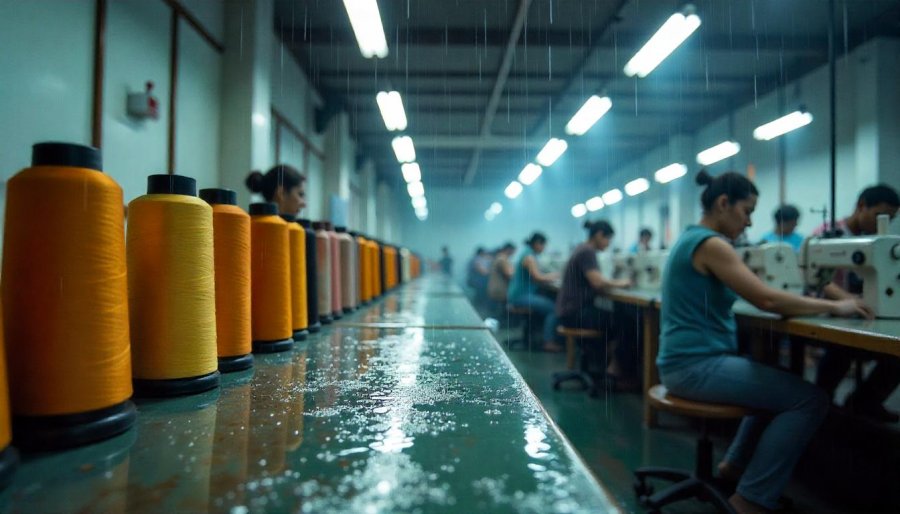
Nylon is one of those materials we probably use every day without giving much thought. It’s the fabric behind many of our clothes, from socks and sportswear to everyday shirts. It appears in the carpets under our feet, the fishing lines we rely on, and even in medical supplies. Its presence feels almost invisible, yet it’s woven into countless aspects of modern life, offering a combination of strength, flexibility, and affordability that’s hard to match.
What makes nylon so versatile is its chemical makeup. It belongs to the polyamide family—a type of synthetic polymer created through a complex chemical process. This process transforms raw petrochemicals—mainly derived from oil and natural gas—into long, resilient chains of molecules. The result is a material that’s lightweight but remarkably durable, resisting wear, stretching without snapping, and maintaining its shape over time. These qualities explain why nylon became such a popular choice across industries, from fashion to industrial manufacturing.
Since its invention in the 1930s, nylon’s rise has been rapid and widespread. Its ability to combine strength with affordability made it a game-changer in textiles and beyond. Today, it’s hard to find a product that doesn’t incorporate some form of nylon—whether it’s in our clothing, outdoor gear, or household items. Its durability means it often outlasts natural fibers, which is a plus for consumers but comes with hidden environmental costs. The convenience of nylon has become so ingrained that we rarely pause to consider where it comes from or what happens after we discard it.
Behind the scenes, the journey of nylon begins deep within the petrochemical industry. Extracting oil and natural gas involves drilling operations that can disturb ecosystems, pollute waterways, and contribute to habitat loss. Once extracted, these fossil fuels are refined into chemicals like adipic acid and hexamethylenediamine, which serve as the building blocks for nylon. These chemicals are produced through energy-intensive processes that rely heavily on burning fossil fuels, fueling a cycle of resource extraction and pollution.
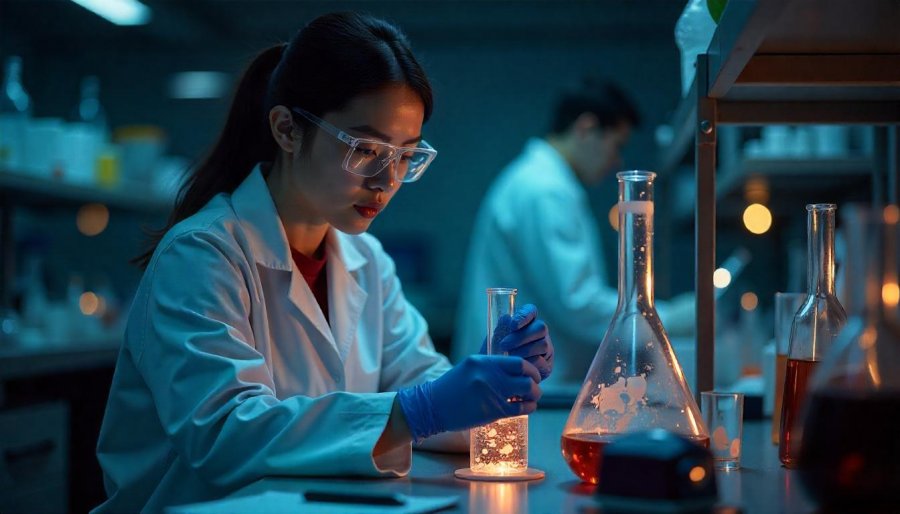
The chemical reactions that produce nylon are complex and demand precise control of temperature, catalysts, and electricity. During polymerization—the process of linking molecules into long chains—volatile organic compounds and hazardous chemicals can be released into the environment. While factories are equipped with waste management systems, not all handle chemical waste responsibly, leading to contamination of water and air. This chain of chemical transformations ties nylon’s production directly to environmental degradation, from greenhouse gas emissions to local pollution.
The environmental footprint of nylon doesn’t end at manufacturing. Its resilience means that discarded nylon products can persist in landfills for hundreds of years. When washed, tiny microfibers shed from nylon textiles find their way into water systems, bypassing filtration. These microplastics are now recognized as a major pollutant—disrupting marine ecosystems and infiltrating the food chain. As they accumulate, they cause harm to aquatic life and pose health risks to humans who consume seafood, turning a seemingly durable material into a long-lasting environmental burden.
Despite its utility, nylon’s impact on the planet is becoming impossible to ignore. Its origins in fossil fuels, coupled with its persistence in the environment, highlight a complex web of convenience and consequence. Recognizing this hidden cost prompts industries and consumers alike to seek alternatives—like recycled nylon or biodegradable fabrics—that aim to reduce reliance on finite resources and lessen pollution. As we continue to depend on nylon, understanding its full story becomes essential for making more sustainable choices and protecting the ecosystems we all share.
From Petrochemicals to Polymers: The Complex Journey of Nylon’s Creation
Nylon’s origins are deeply rooted in the complex world of petrochemicals—raw materials like oil and natural gas that undergo a series of chemical transformations to become the synthetic fibers we know today. These fossil fuels are extracted through drilling operations, often in sensitive environments where ecosystems are disturbed, waterways are polluted, and habitats are destroyed. Once extracted, the raw materials are refined into basic chemicals such as adipic acid and hexamethylenediamine, which serve as the essential building blocks for nylon. This refining process is highly energy-intensive, relying heavily on burning fossil fuels, which releases significant amounts of greenhouse gases into the atmosphere.
The production of these chemicals begins with the heating and processing of raw fossil fuels, transforming them into the specific compounds needed for nylon synthesis. This stage involves large-scale chemical reactions that require precise temperature control and catalysts to facilitate the transformation. The energy demand in this phase is substantial, primarily supplied by burning coal, oil, and natural gas—further contributing to climate change through carbon emissions. As a result, every step from extraction to chemical refinement adds to the environmental toll, tying nylon’s production directly to ecological degradation and global warming.
Once the chemicals are prepared, the core step in making nylon involves a process called polymerization—linking adipic acid with hexamethylenediamine under carefully controlled conditions. This chemical reaction creates long, strong chains of nylon molecules that are then spun into fibers suitable for a wide range of applications. Polymerization is a meticulous process, requiring high temperatures, catalysts, and significant amounts of electrical energy. During this stage, volatile organic compounds and other hazardous chemicals can be emitted into the air, contributing to local pollution and broader atmospheric issues. Despite improvements in industrial standards, many facilities still struggle with managing chemical waste responsibly, increasing the risk of environmental contamination.
The environmental impact of nylon production extends beyond emissions into the air. The chemicals used are often hazardous, and improper disposal can lead to contamination of soil and waterways. Wastewater from factories may contain toxic substances that, if not adequately treated, seep into nearby ecosystems, harming aquatic life and polluting drinking water sources. The energy required to power manufacturing plants further amplifies nylon’s carbon footprint, especially since much of that electricity still derives from fossil fuels. This cycle of resource extraction, chemical processing, and energy consumption forms a complex web of ecological harm linked directly to nylon’s origins.
Beyond the factory walls, the durability that makes nylon so appealing also contributes to long-term environmental challenges. Its resistance to natural degradation means that nylon products—clothing, carpets, fishing gear—can linger in landfills for centuries. When washed, tiny microfibers shed from nylon textiles enter water systems, often bypassing filtration and dispersing into oceans and lakes. These microplastics are now recognized as a major pollutant that disrupts marine ecosystems and enters the human food chain through seafood consumption. The result is a persistent environmental burden that underscores how a material designed for strength and longevity can become a long-lasting source of pollution, with consequences that ripple across ecosystems and communities alike.
The Hidden Toll: Environmental and Social Impacts of Nylon Production and Use
Nylon’s widespread use extends far beyond factories and production lines, impacting ecosystems and communities in profound ways. When textiles made from nylon are washed, tiny microfibers are shed and escape into water systems, often bypassing wastewater treatment processes. These minuscule particles, known as microplastics, can travel vast distances through rivers and oceans, infiltrating marine habitats and accumulating in the food chain. Marine organisms, from plankton to larger fish, mistake these fibers for food, leading to ingestion that can cause injuries, reproductive issues, and even death. As these microplastics build up, they threaten the health and stability of entire aquatic ecosystems.
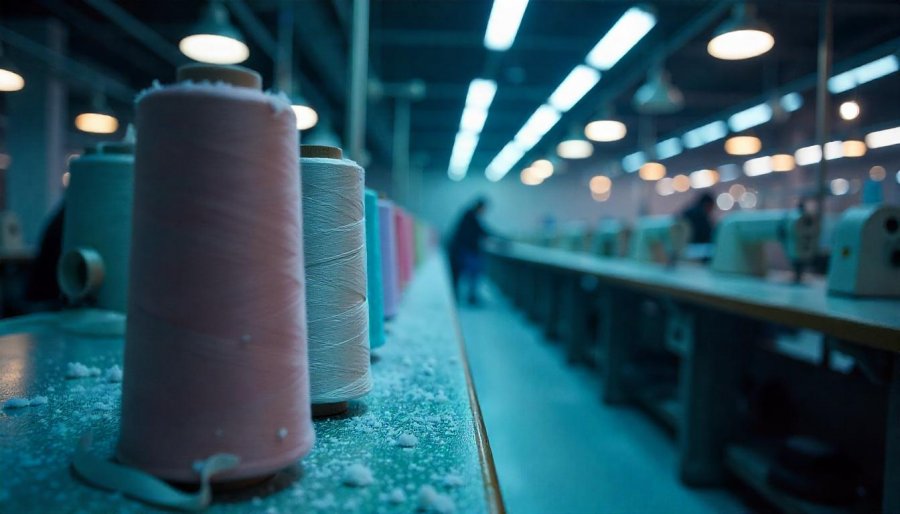
This pollution isn’t limited to the oceans; it also poses risks to land-based environments. Microfibers and toxic chemicals leached from nylon textiles contaminate soils and freshwater sources, affecting agriculture and drinking water supplies. Communities living near manufacturing plants often bear the brunt of this pollution, facing higher exposure to air and water contaminants. Chemical runoff from factories can seep into local waterways, poisoning ecosystems and endangering wildlife, while residents may experience increased health problems like respiratory issues or skin irritations. Vulnerable populations, especially in low-income regions, tend to suffer most from these environmental injustices, highlighting how environmental degradation often intersects with social inequality.
Nylon’s durability, while advantageous for product longevity, contributes significantly to long-term waste challenges. Since it resists natural breakdown, discarded nylon items—clothing, carpets, fishing gear—can persist in landfills for hundreds of years. Over time, tiny fibers break loose from larger objects, dispersing into soil and water, continually polluting environments. This persistent waste accumulates, creating a slow but relentless environmental burden that is difficult to manage. Microfibers that shed during washing and wear eventually reach waterways, where they remain in circulation, contaminating ecosystems and affecting wildlife long after the initial disposal.
The environmental footprint of nylon production also plays a crucial role in climate change. Its creation relies heavily on the extraction and processing of fossil fuels—oil and natural gas—that release greenhouse gases during drilling, refining, and chemical synthesis. These emissions contribute to global warming, intensifying climate-related disasters and threatening biodiversity worldwide. As demand for nylon grows, so does its contribution to the climate crisis, creating a cycle that’s hard to break without substantial shifts in industry practices. Reducing reliance on fossil fuels and adopting cleaner alternatives are essential steps toward mitigating these impacts.
Communities near nylon manufacturing sites often face a double burden of pollution and health risks. Chemical runoff contaminates drinking water and soil, leading to long-term health issues such as cancers, respiratory problems, and developmental disorders. Airborne emissions from factories release hazardous pollutants that can cause asthma, allergies, and other respiratory diseases among local residents. These impacts disproportionately affect vulnerable populations, typically in low-income areas, exposing the stark reality that environmental harm is often rooted in social injustice. Addressing these issues requires stricter regulations, improved waste management, and a move toward more sustainable production methods.
To tackle these broad impacts, the shift toward recycled nylon and biodegradable alternatives is gaining momentum. Recycling waste like fishing nets and plastic bottles reduces the need for virgin petrochemicals, cutting down on resource extraction and pollution. Biodegradable fabrics aim to break down more quickly and safely in the environment, lessening the burden of persistent microplastics. Transitioning to these greener options depends on technological innovation, stricter industry standards, and consumer awareness. Recognizing the full scope of nylon’s environmental and social consequences pushes us to demand more responsible manufacturing and consumption practices, fostering a future where convenience no longer comes at the planet’s expense.